Hunting with Hounds - At the Crossroads of Worlds
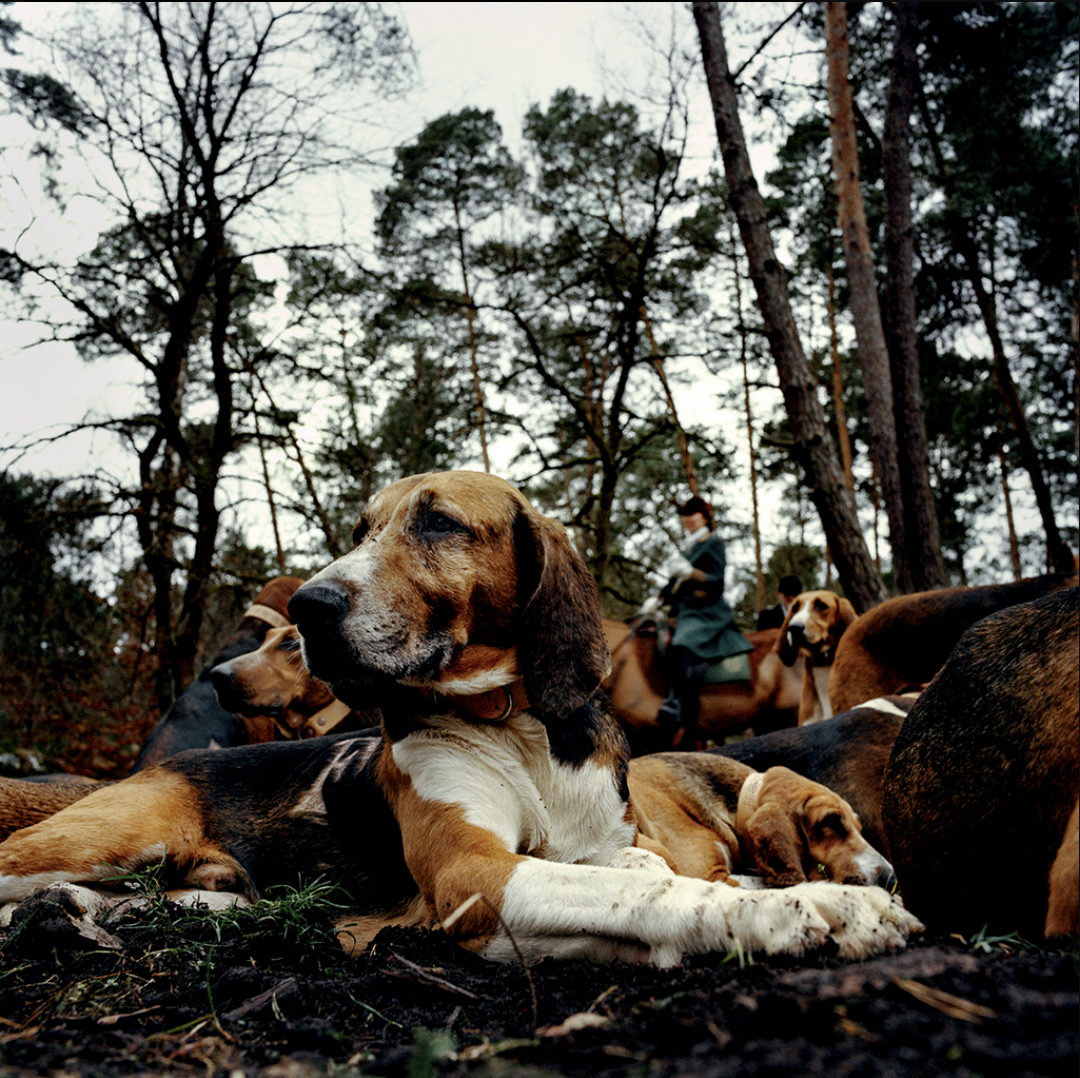
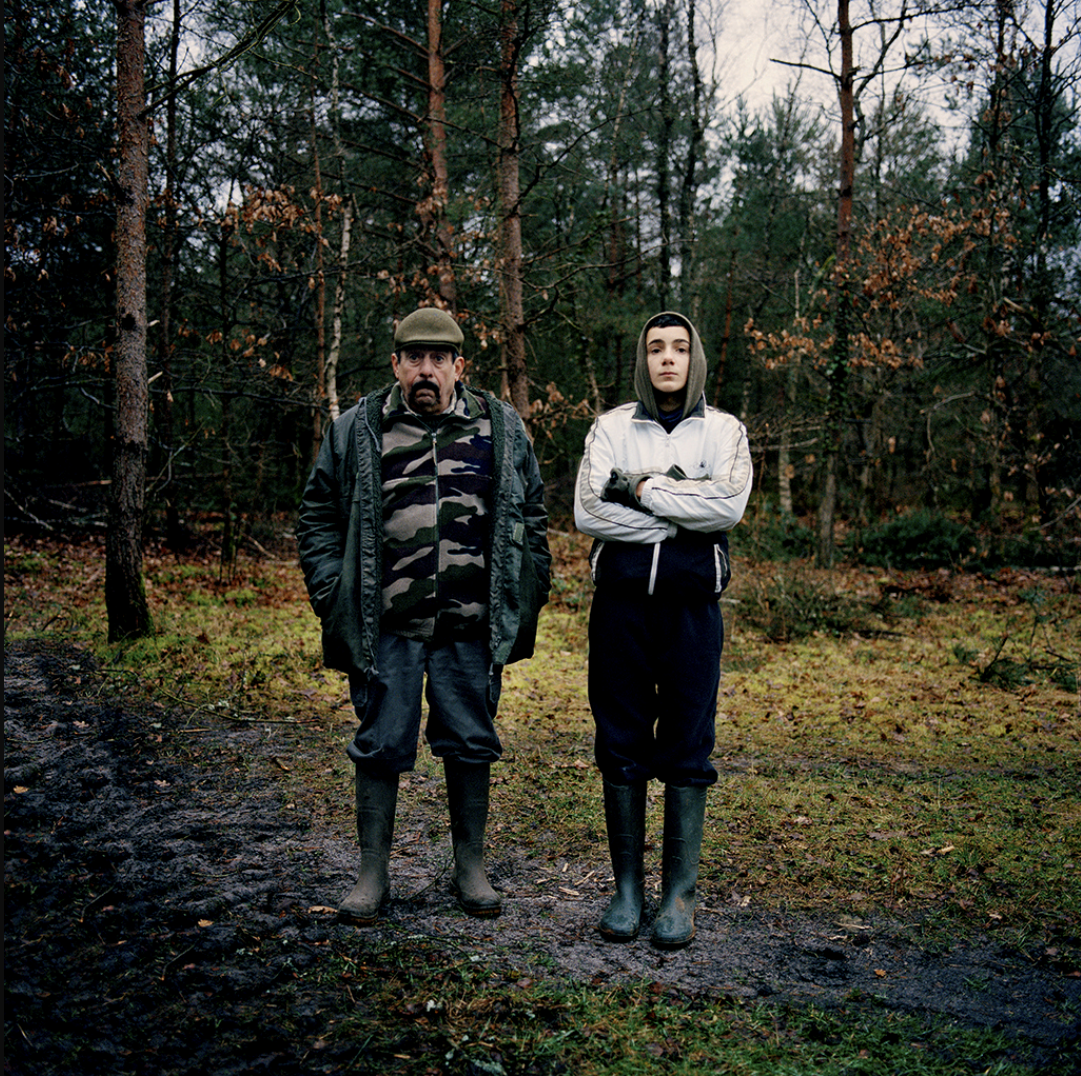
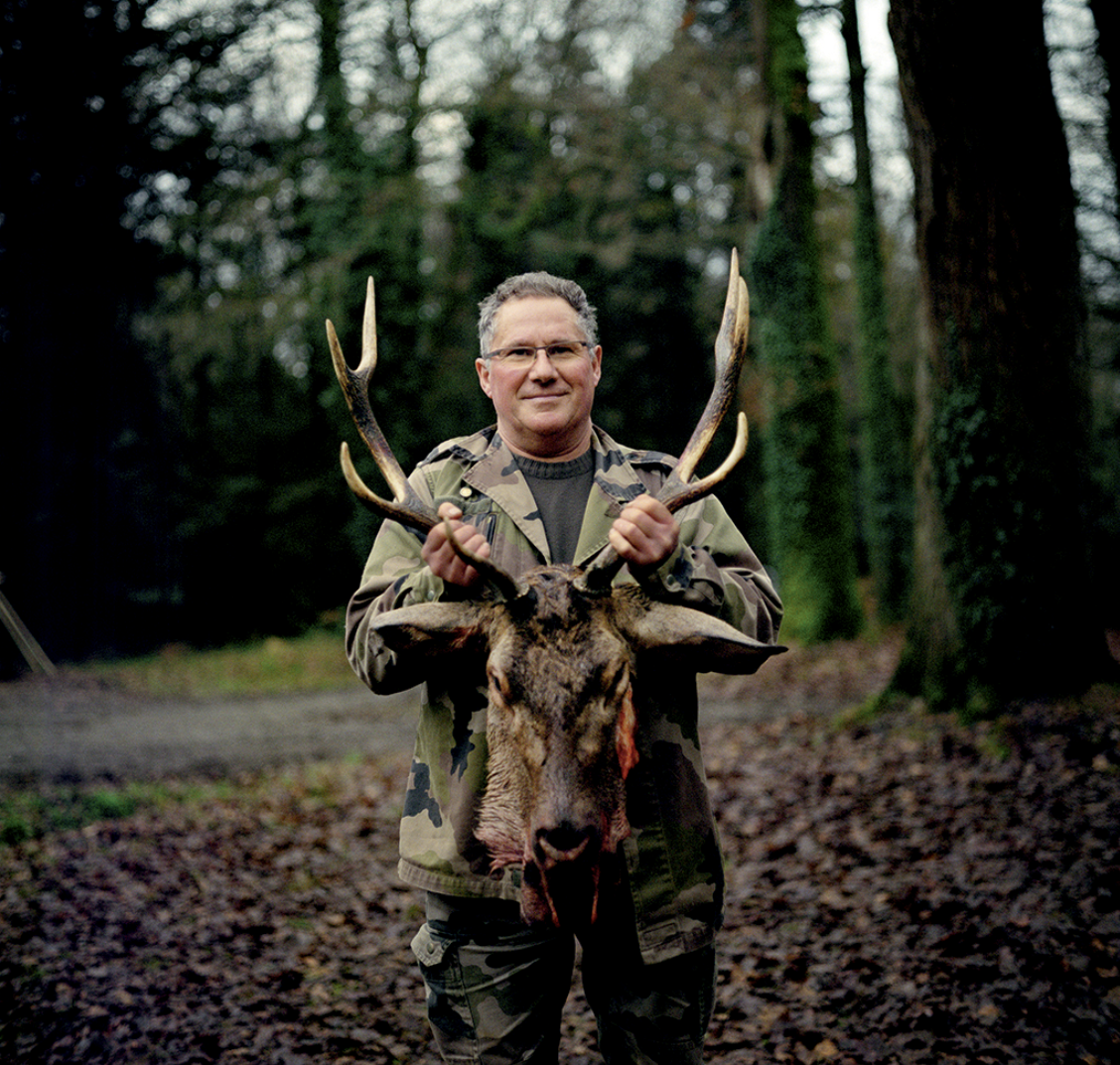
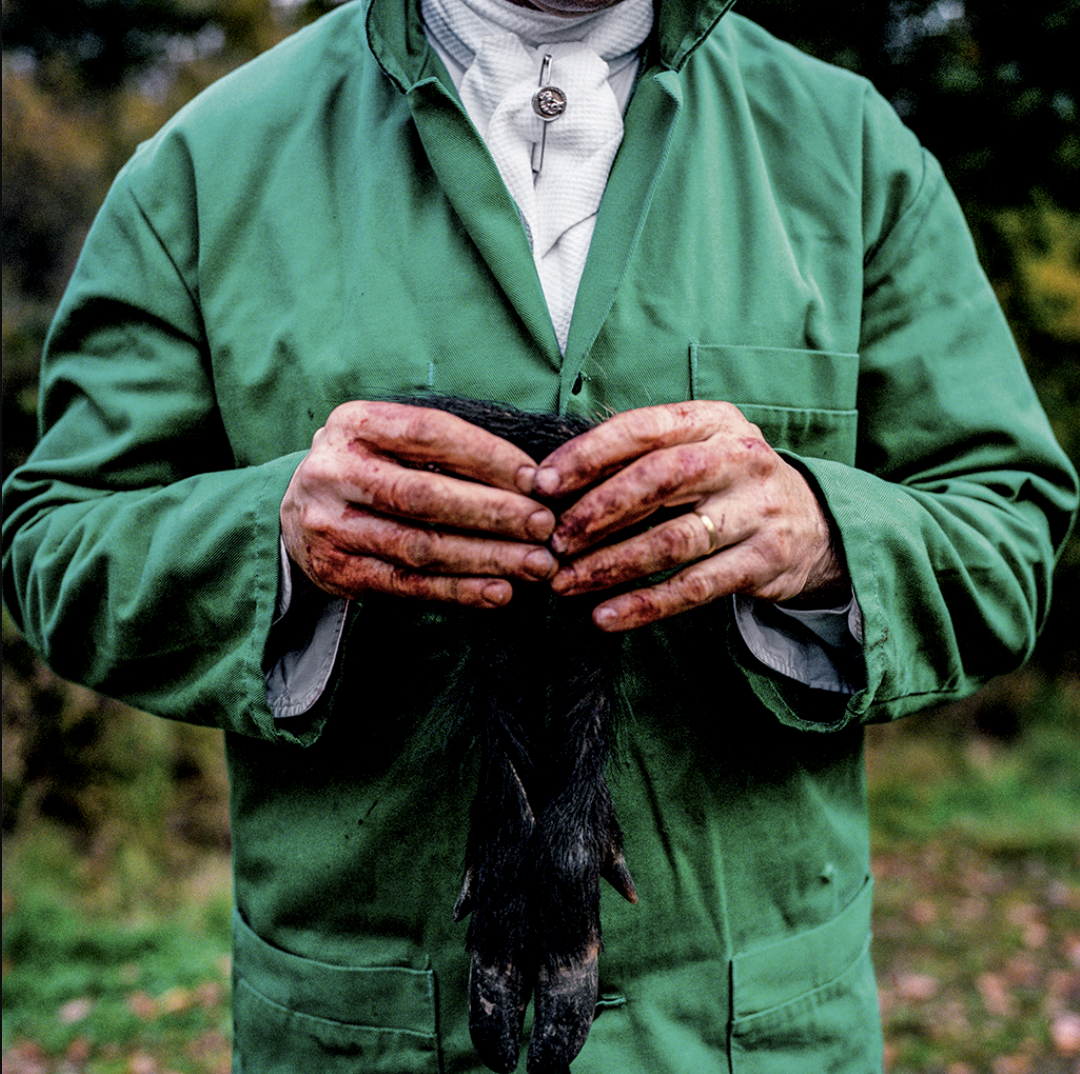
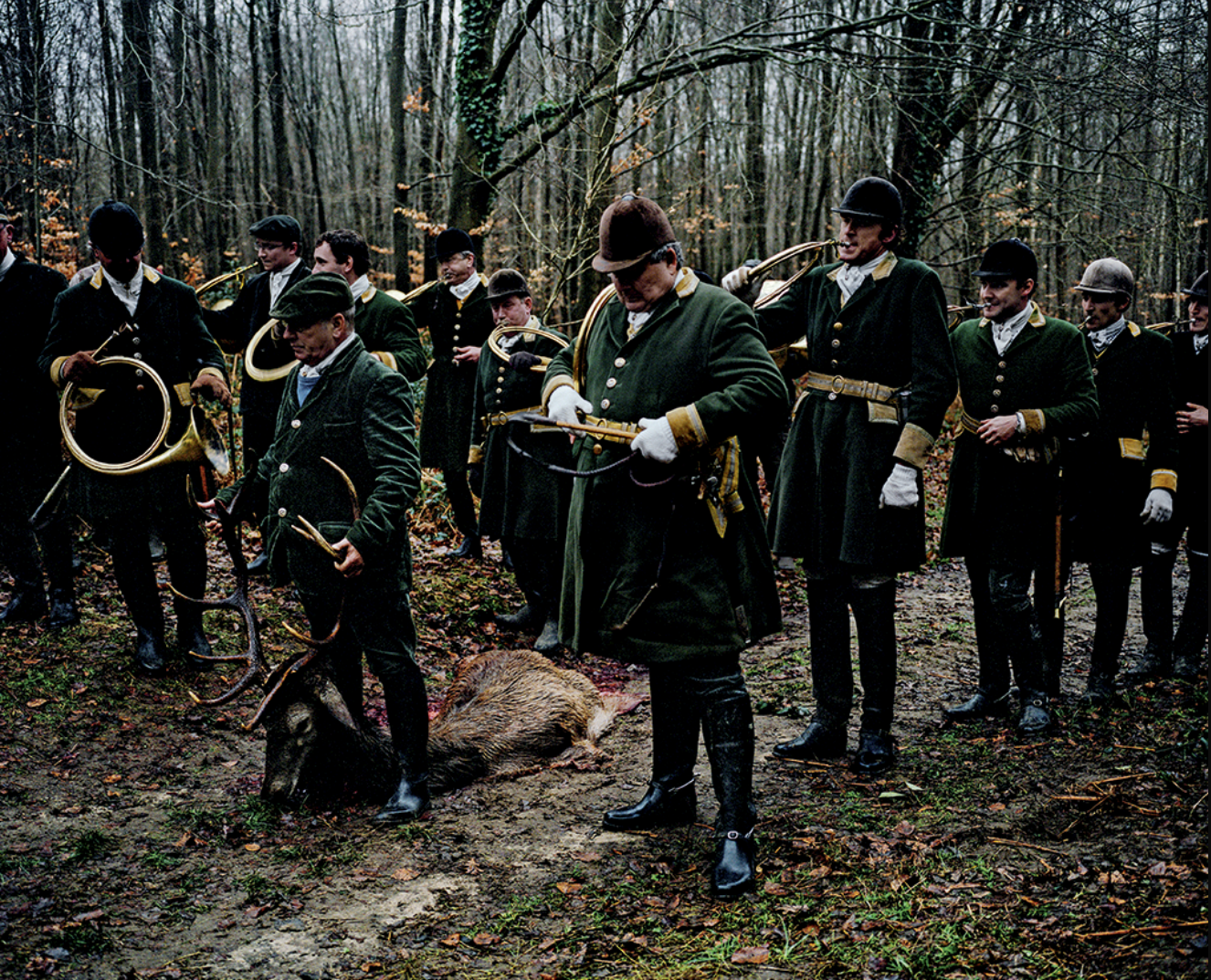
The veneurs come out of their forests and brandish their right to hunt with hounds on the French territory; they claim eternal values, a knowledge of the land and the wild that, according to them, the urban, disconnected from rurality, has lost. Vegans, animalists and antispeciesists are protesting against this institution and some activists are advocating civil disobedience; they claim to embody the animal voice and cry out for barbarism, unnecessary murder, and the feudal nature of this practice. Between human law and pure instinct, whether predatory or empathetic, who should govern the animal world? Is the human species legitimate in assuming the role of all-powerful guardian of other species, whether to regulate or protect them?
Végétarienne depuis vingt ans, anciennement végan et phobique des chiens depuis mon enfance, jamais je n’aurais imaginé me plonger dans cet univers. Mes accointances intellectuelles, culturelles et spirituelles me dirigeaient davantage vers ceux qui se désignent protecteurs des animaux que ceux qui prétendent les réguler. Trois ans et demi d’immersion, et de multiples échanges avec différents opposants m’ont fait comprendre que, quel que soit mon point de vue, j’étais, comme la plupart d’entre nous, une ignorante du monde sauvage, des réels enjeux écologiques, politiques, économiques.
« Il semble qu’il n’y a pas de raison pour nous, mais il y a une raison pour lui. Et, s’il y a une raison pour lui, nous devons pouvoir le comprendre. Je ne crois pas, moi, qu’un homme puisse être différent des autres hommes au point d’avoir des raisons totalement incompréhensibles. »
Je négligeais également les conséquences transversales qu’impliquerait une prise de conscience par notre société de ce qui serait juste d’être, non pas pour légitimer tel ou tel courant de pensée, mais pour que l’équilibre de la nature soit réellement respecté.
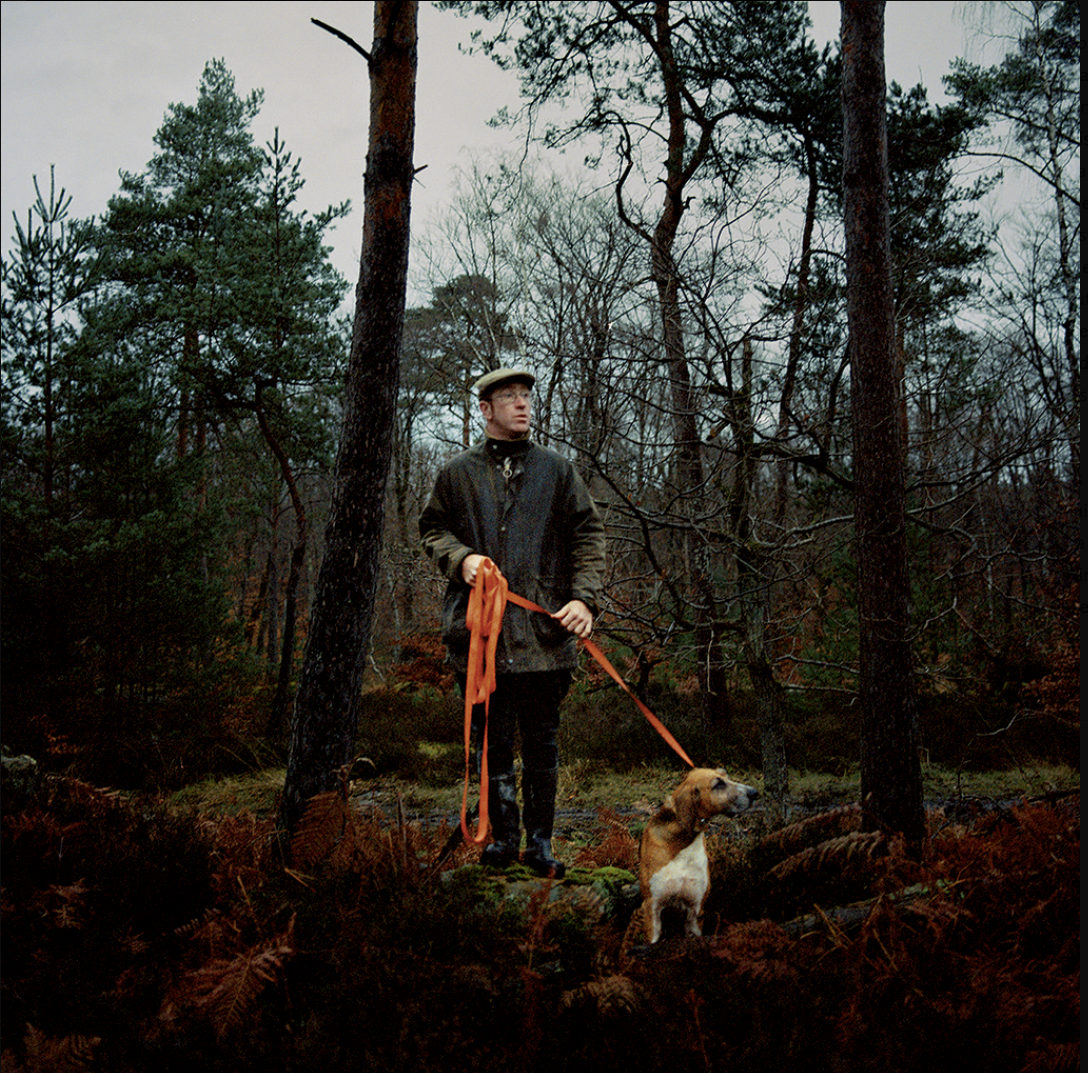
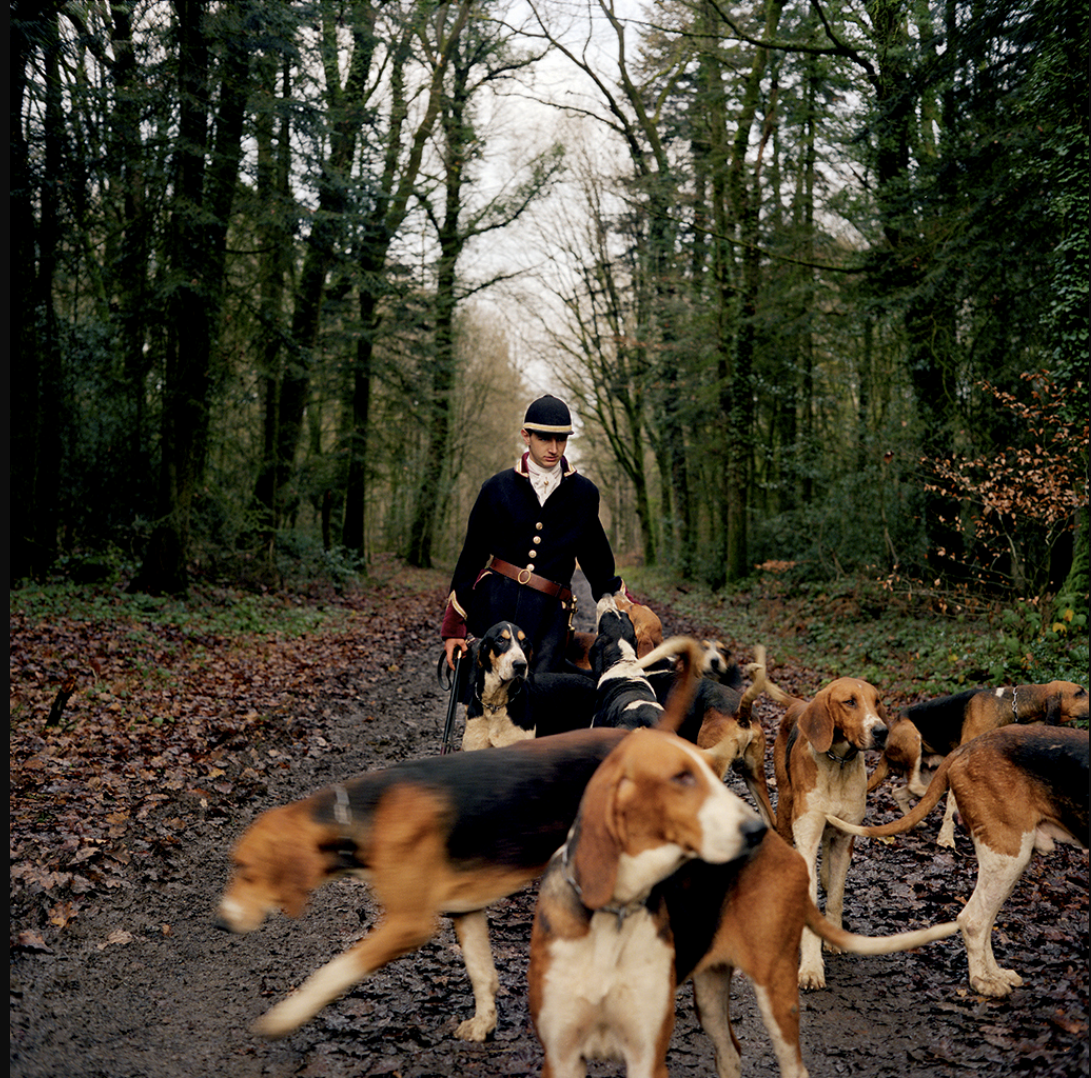
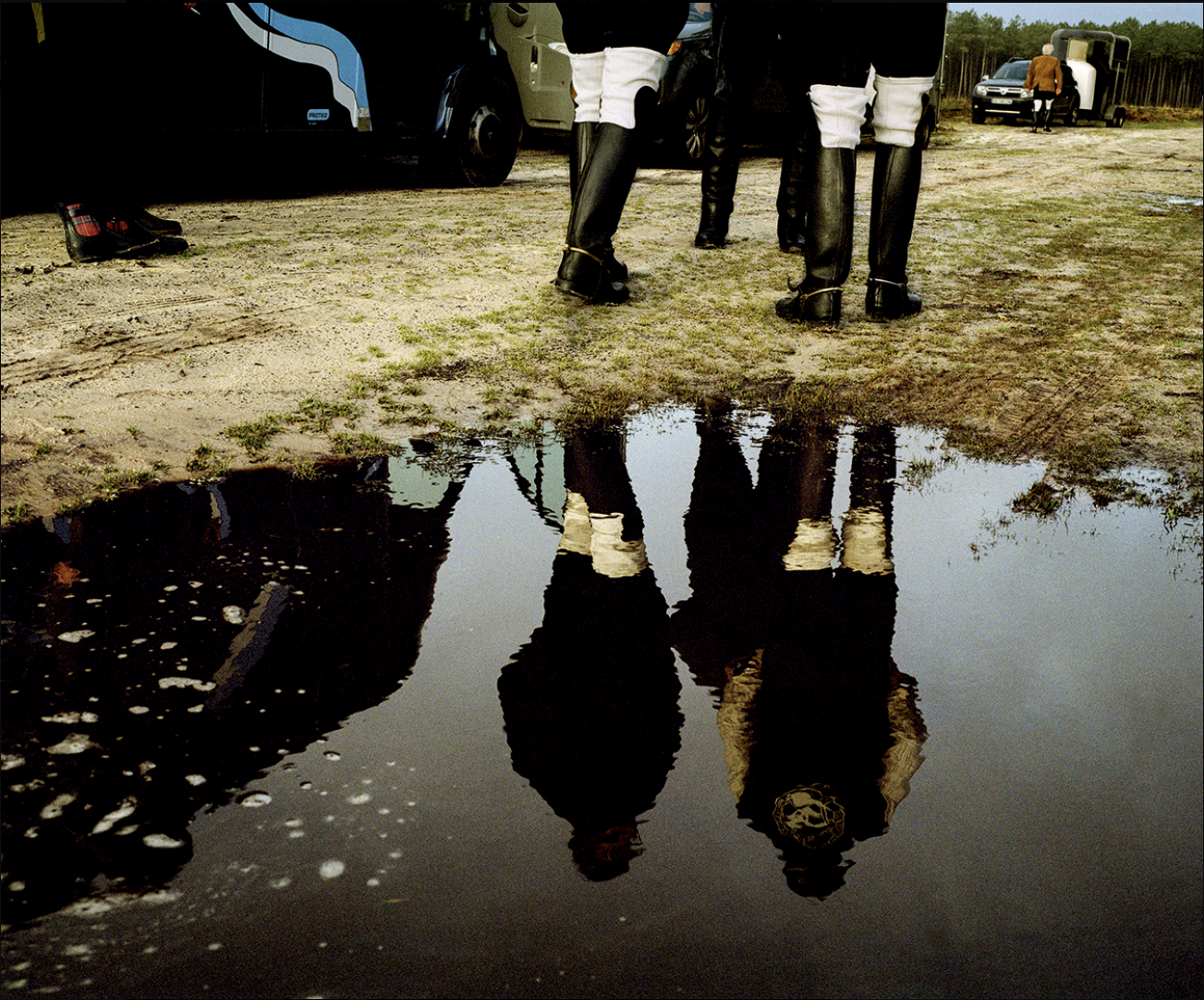
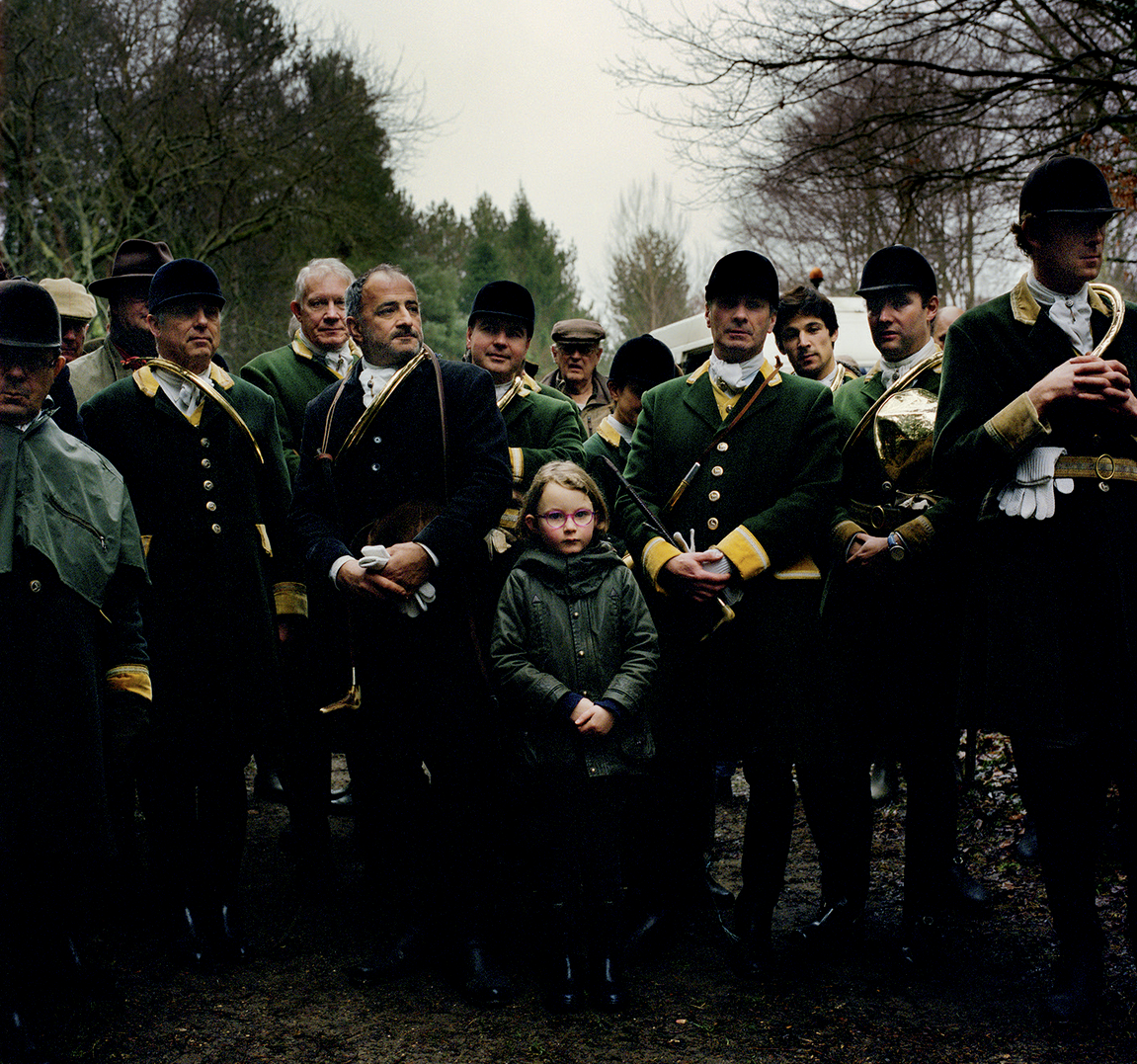
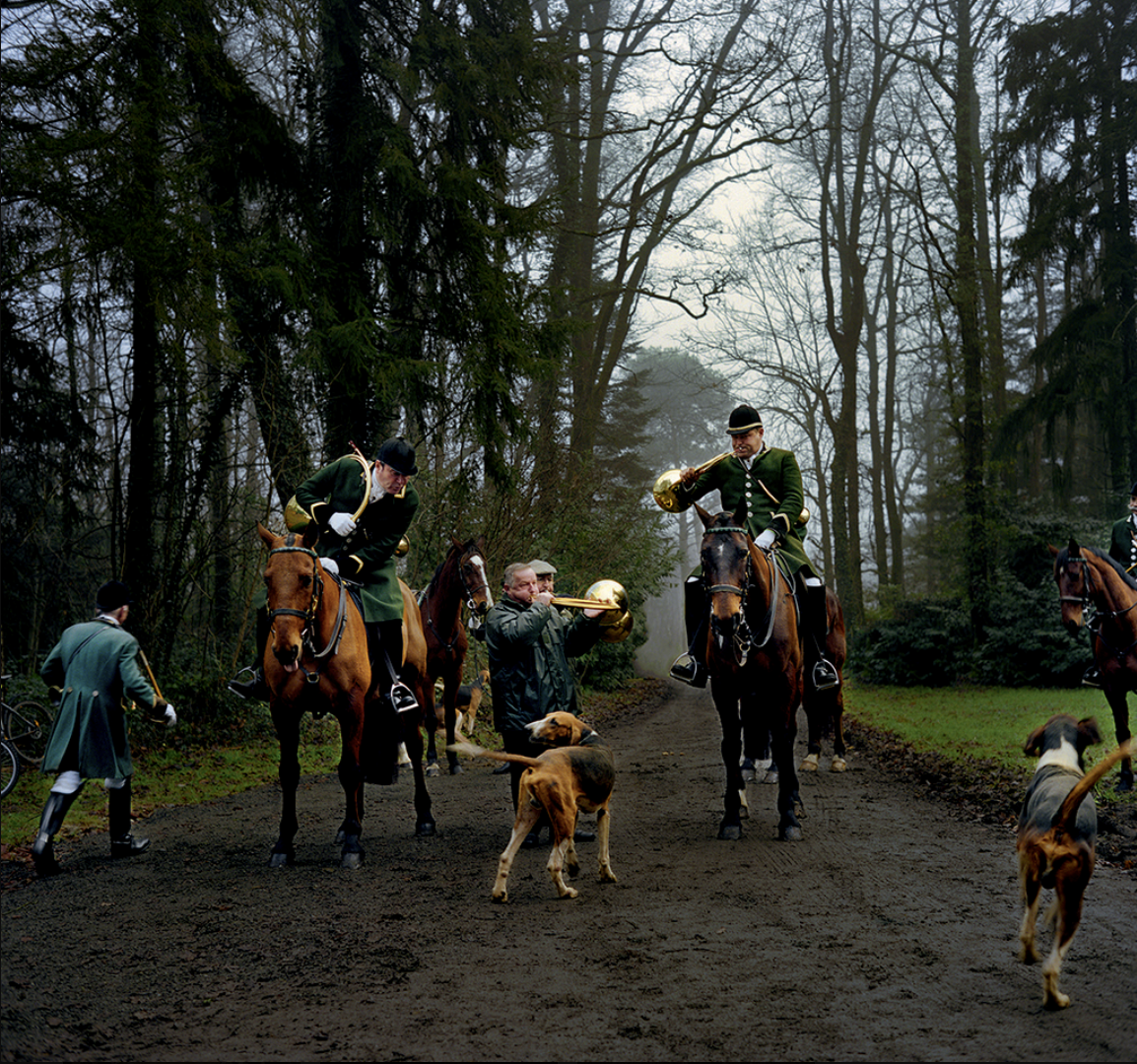
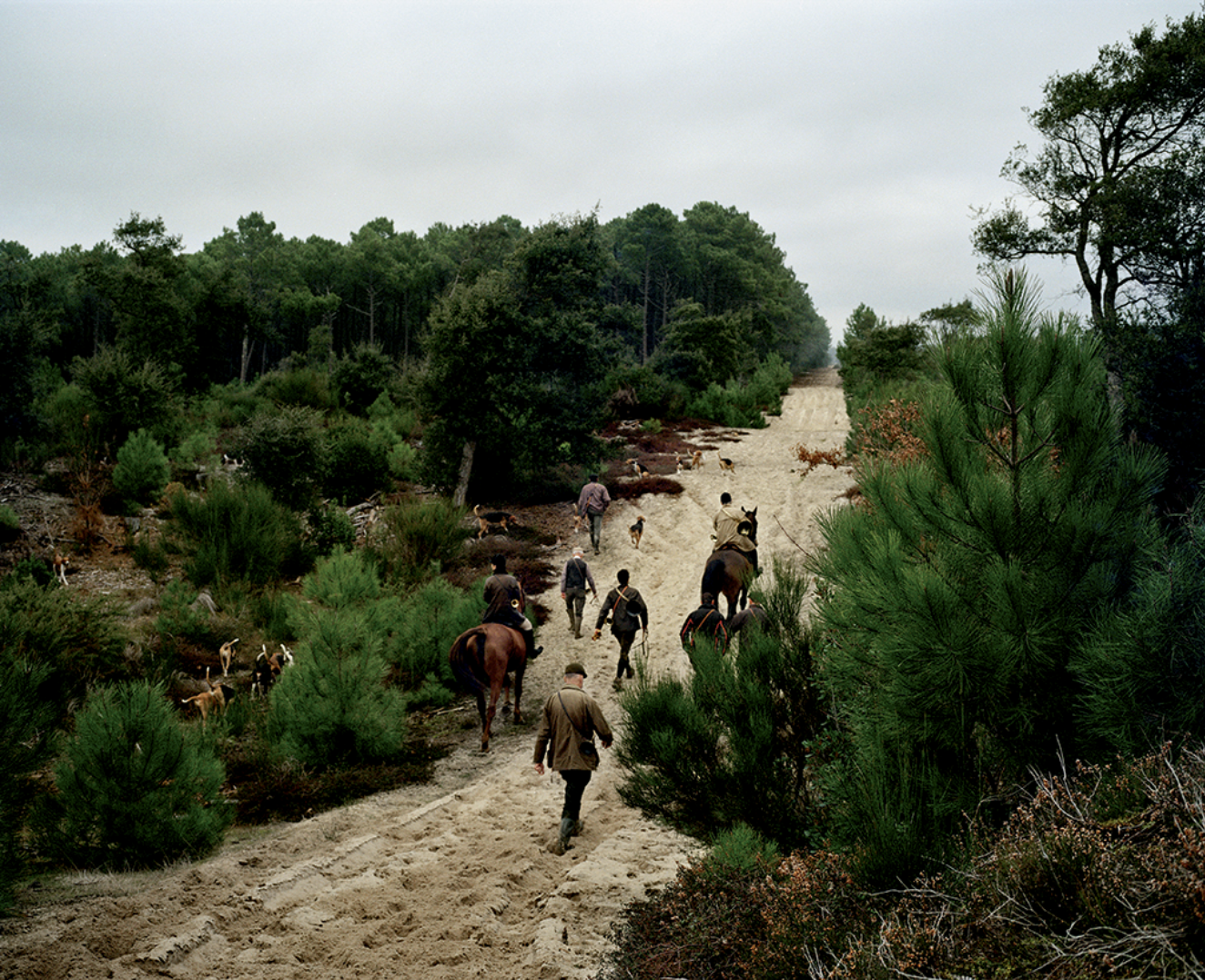
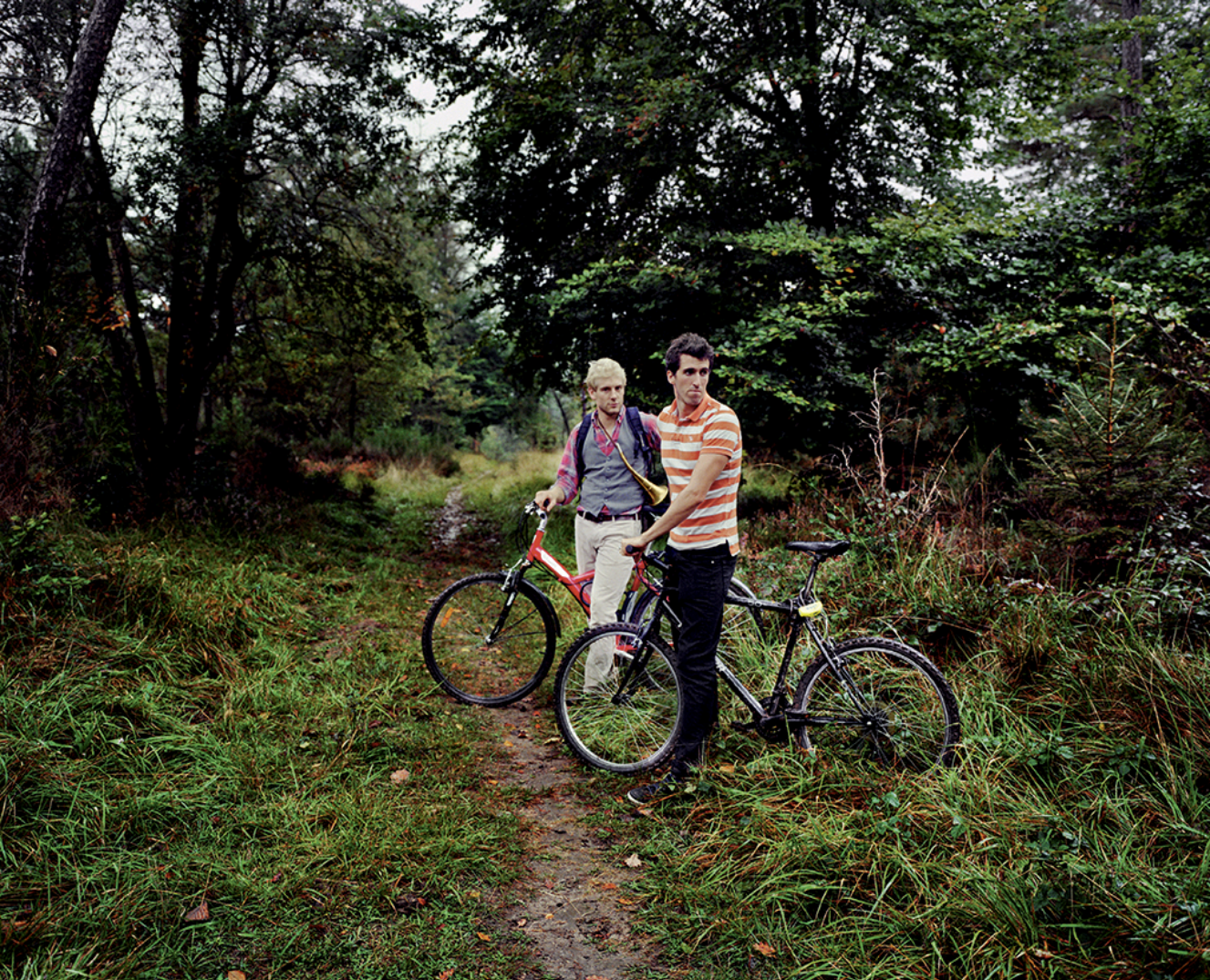
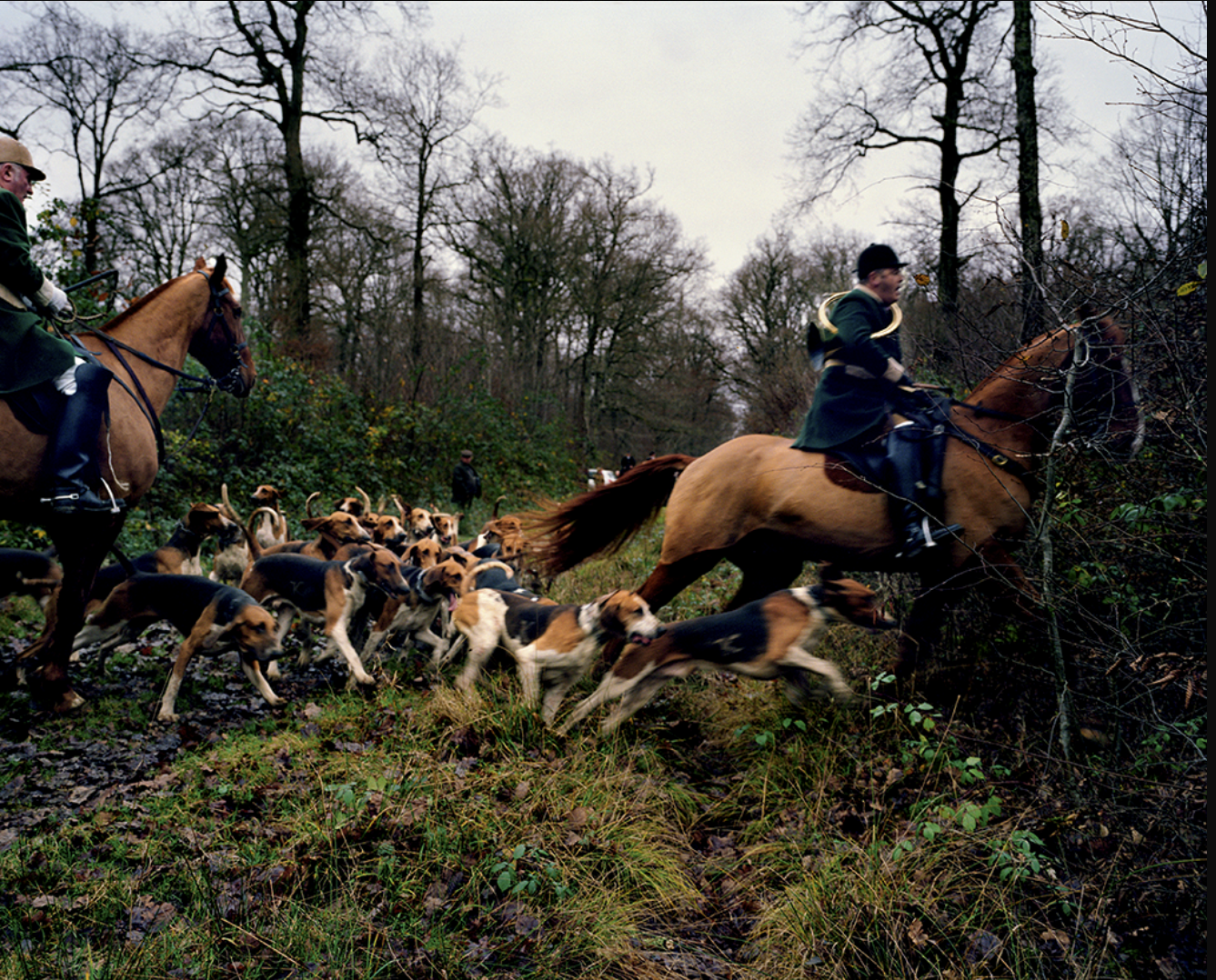
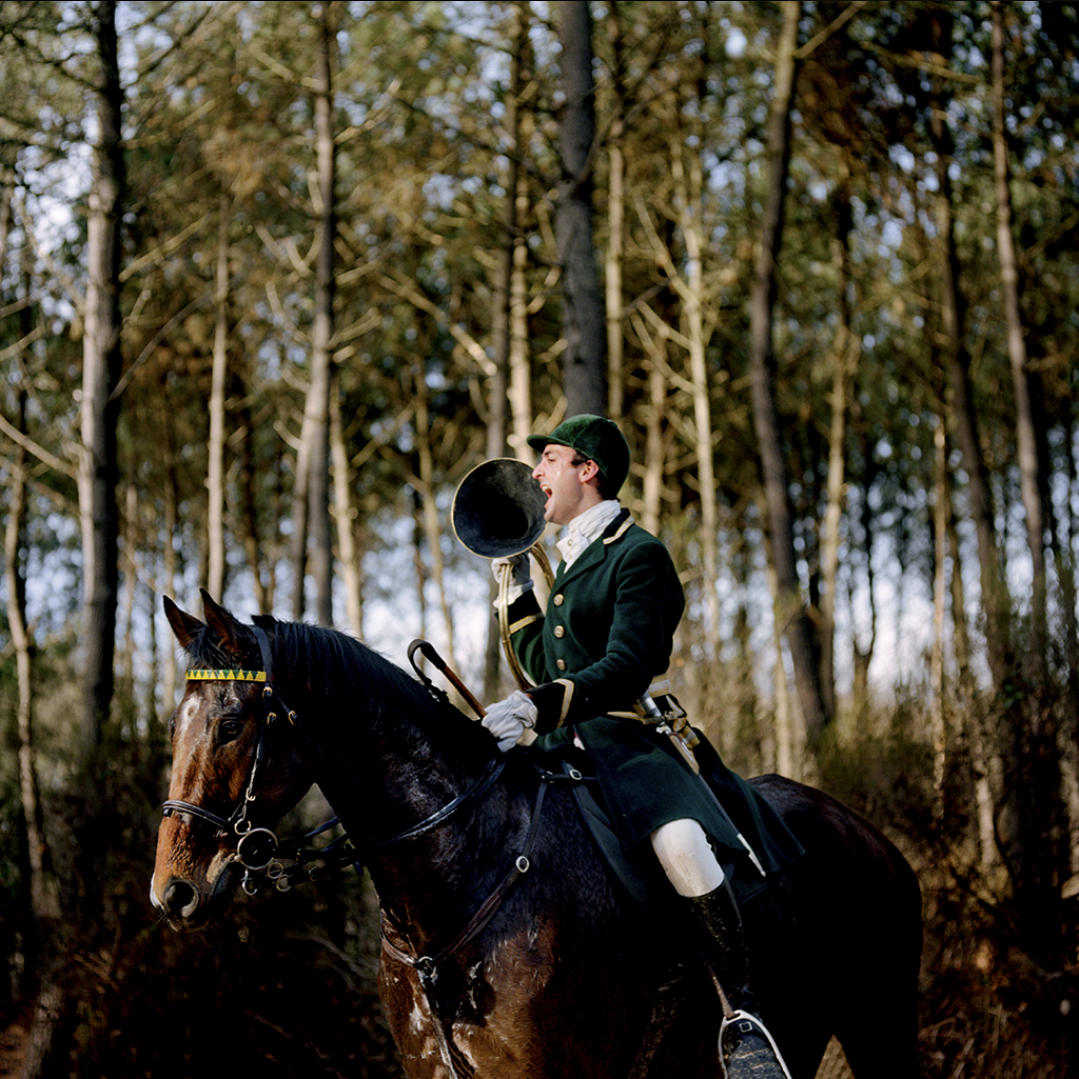
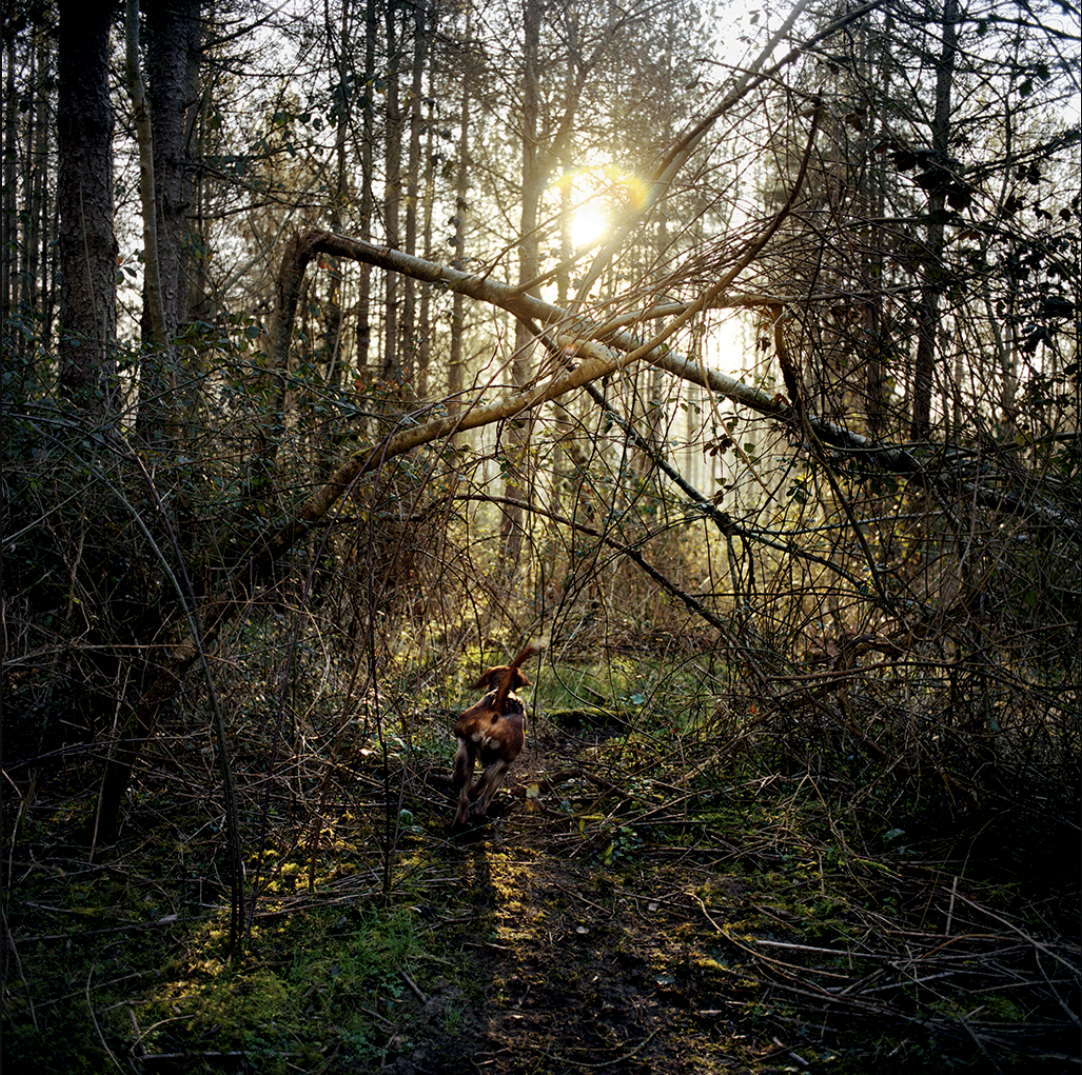
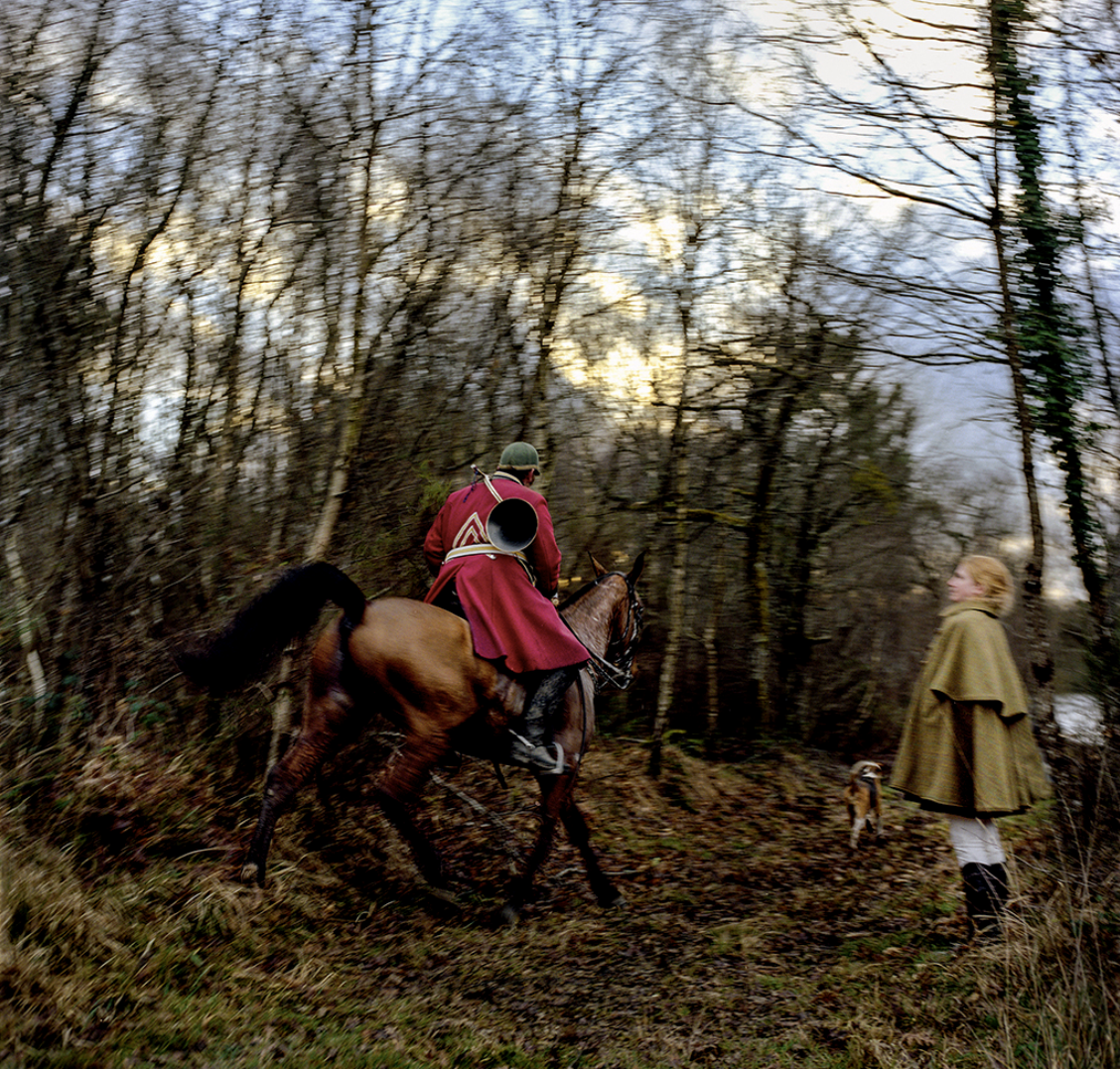
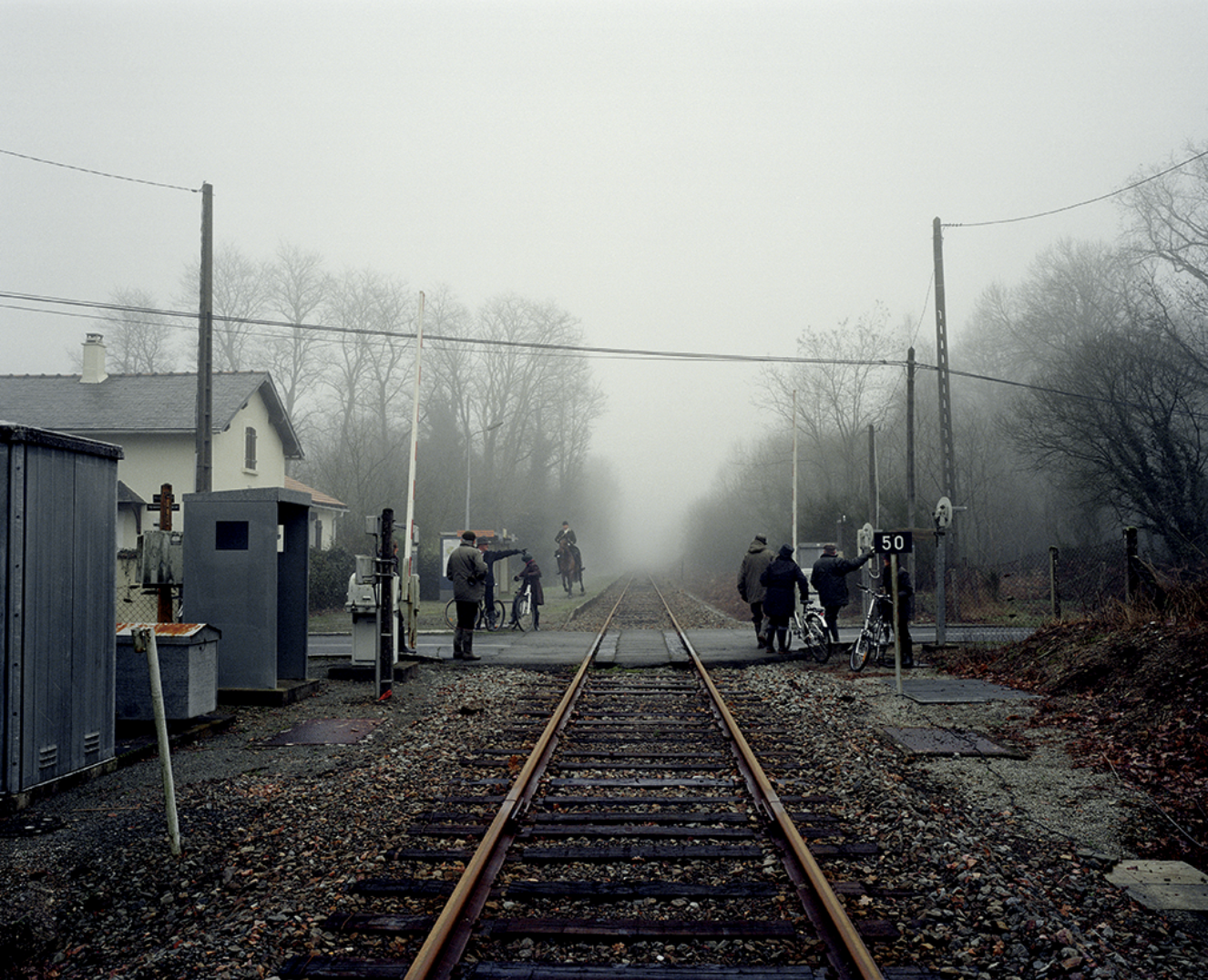
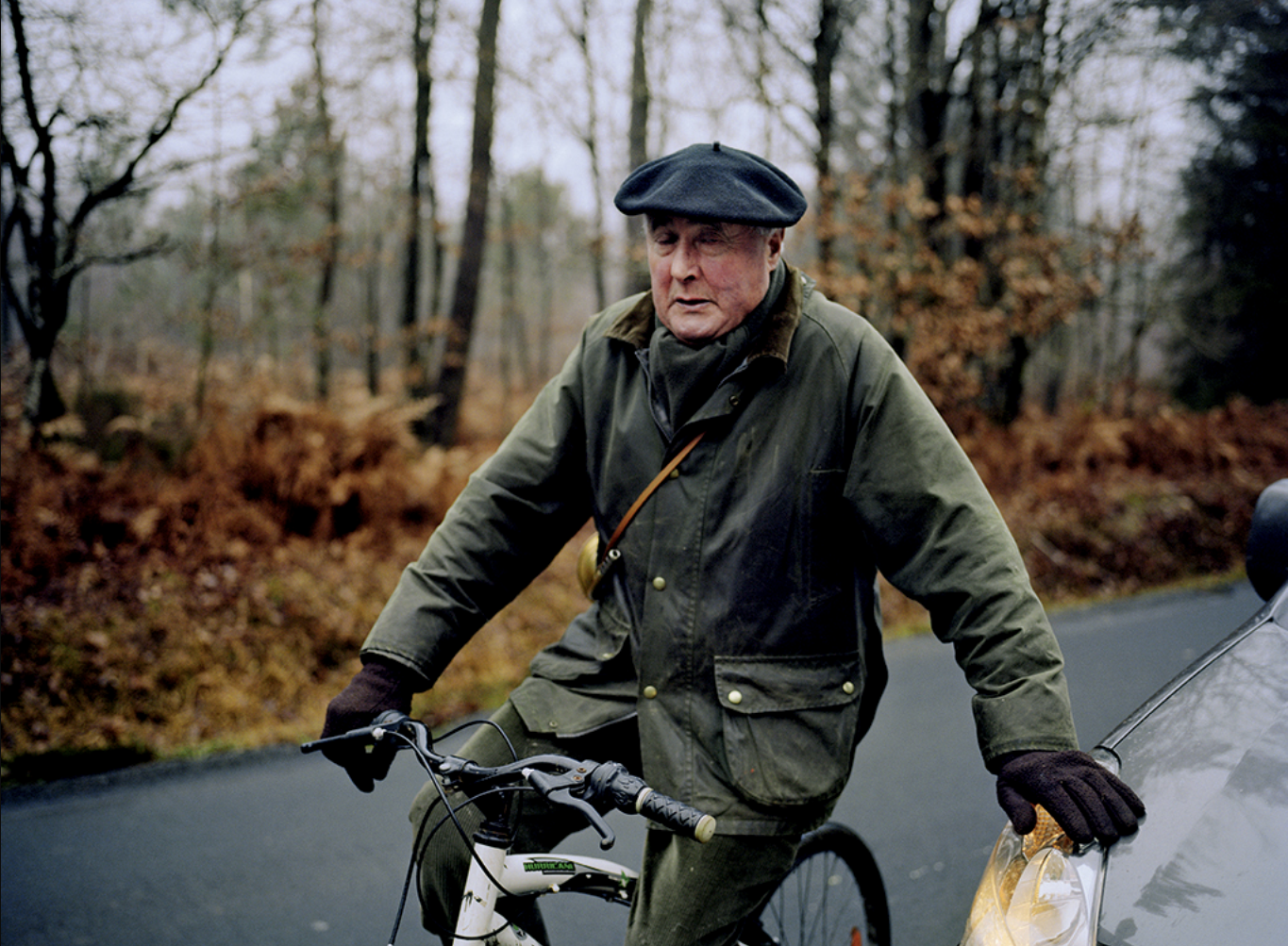
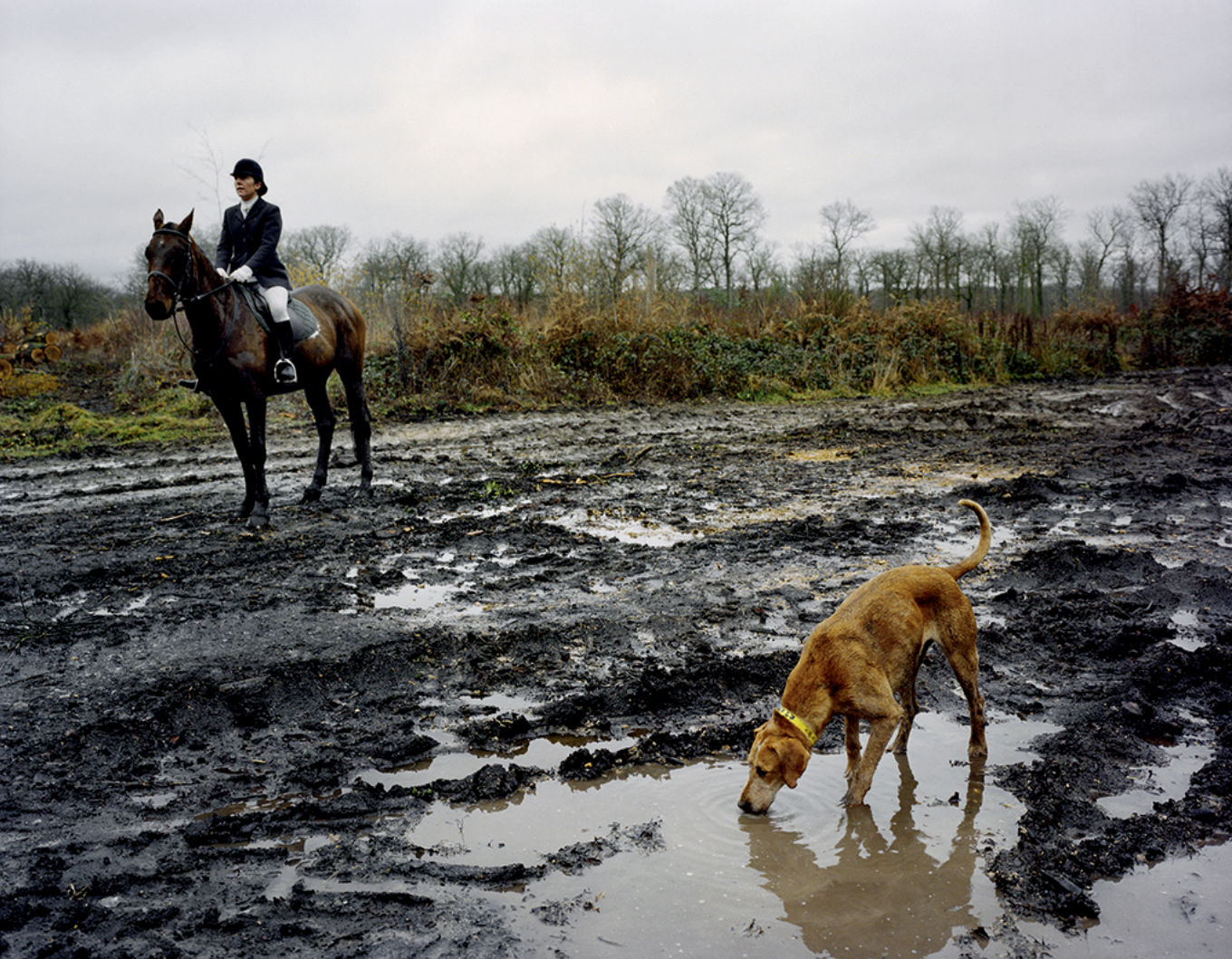
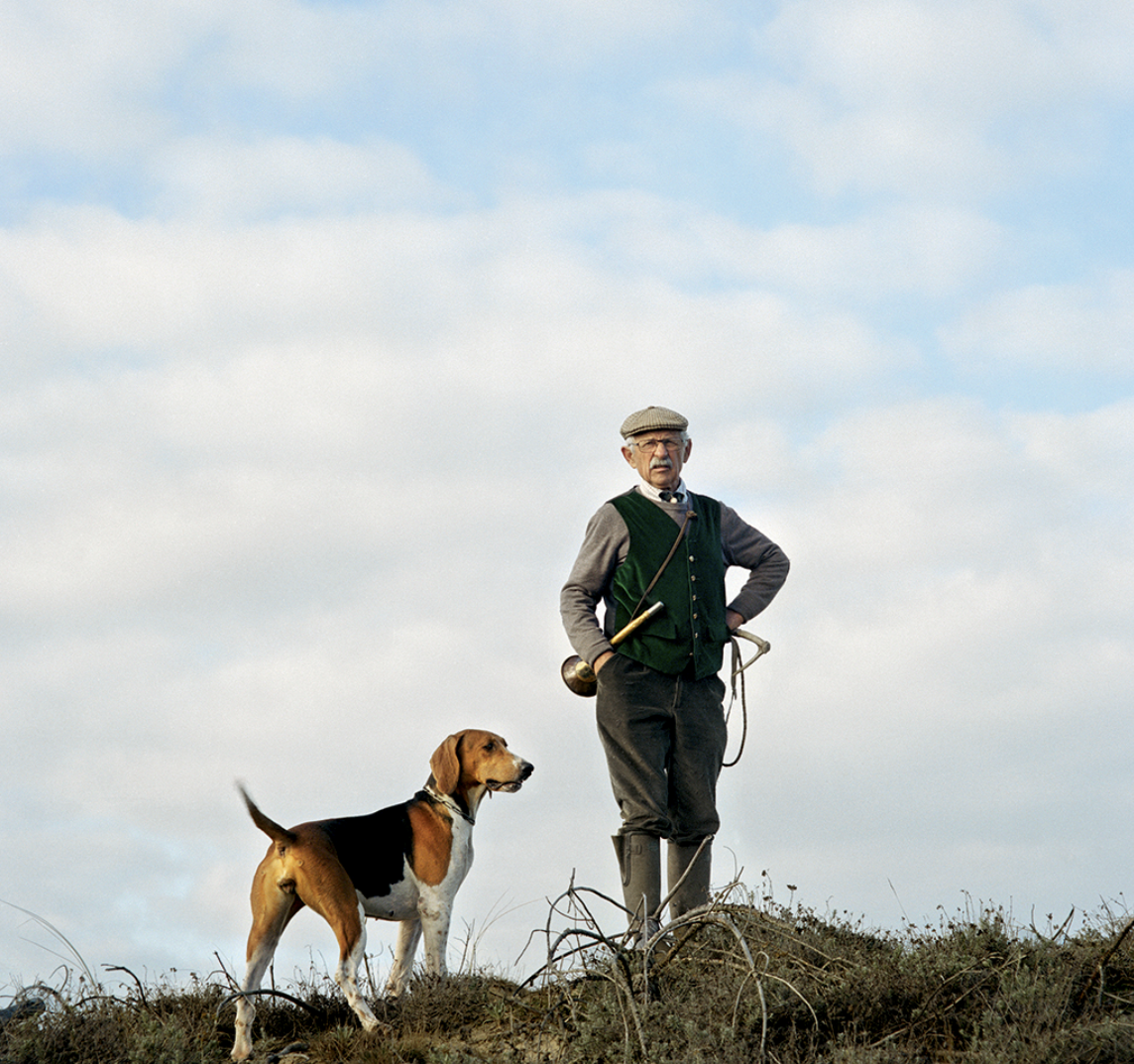
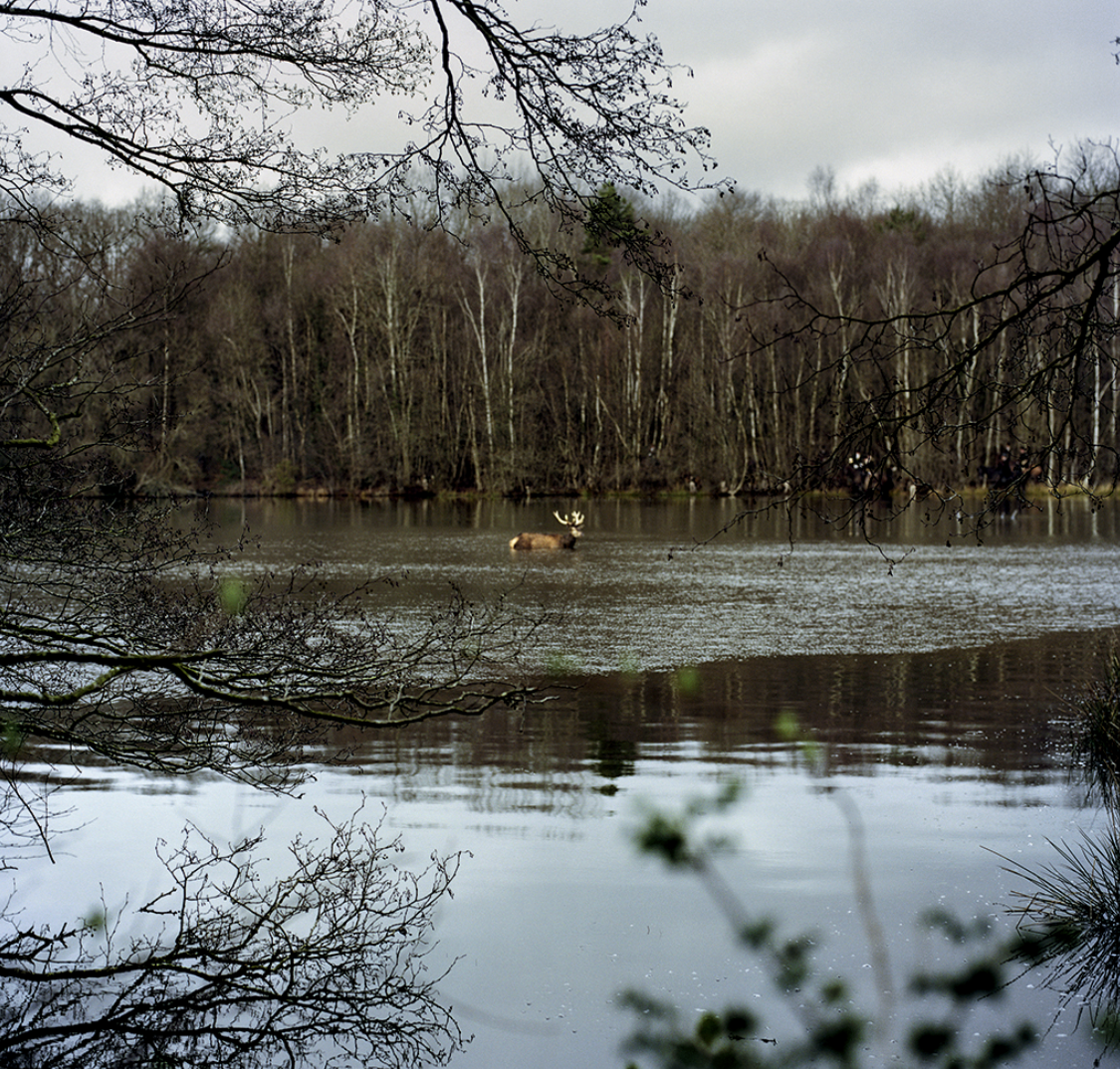
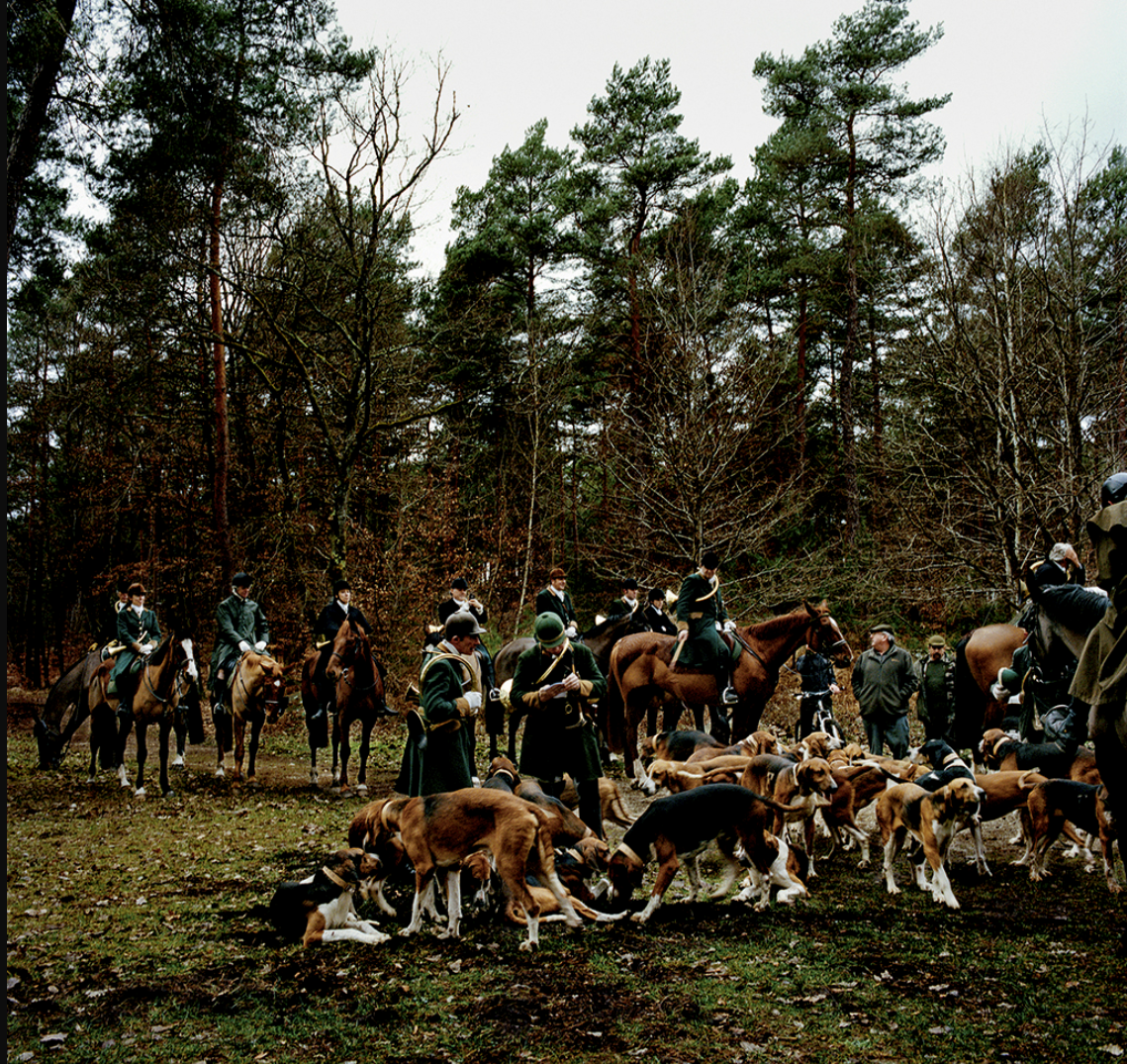
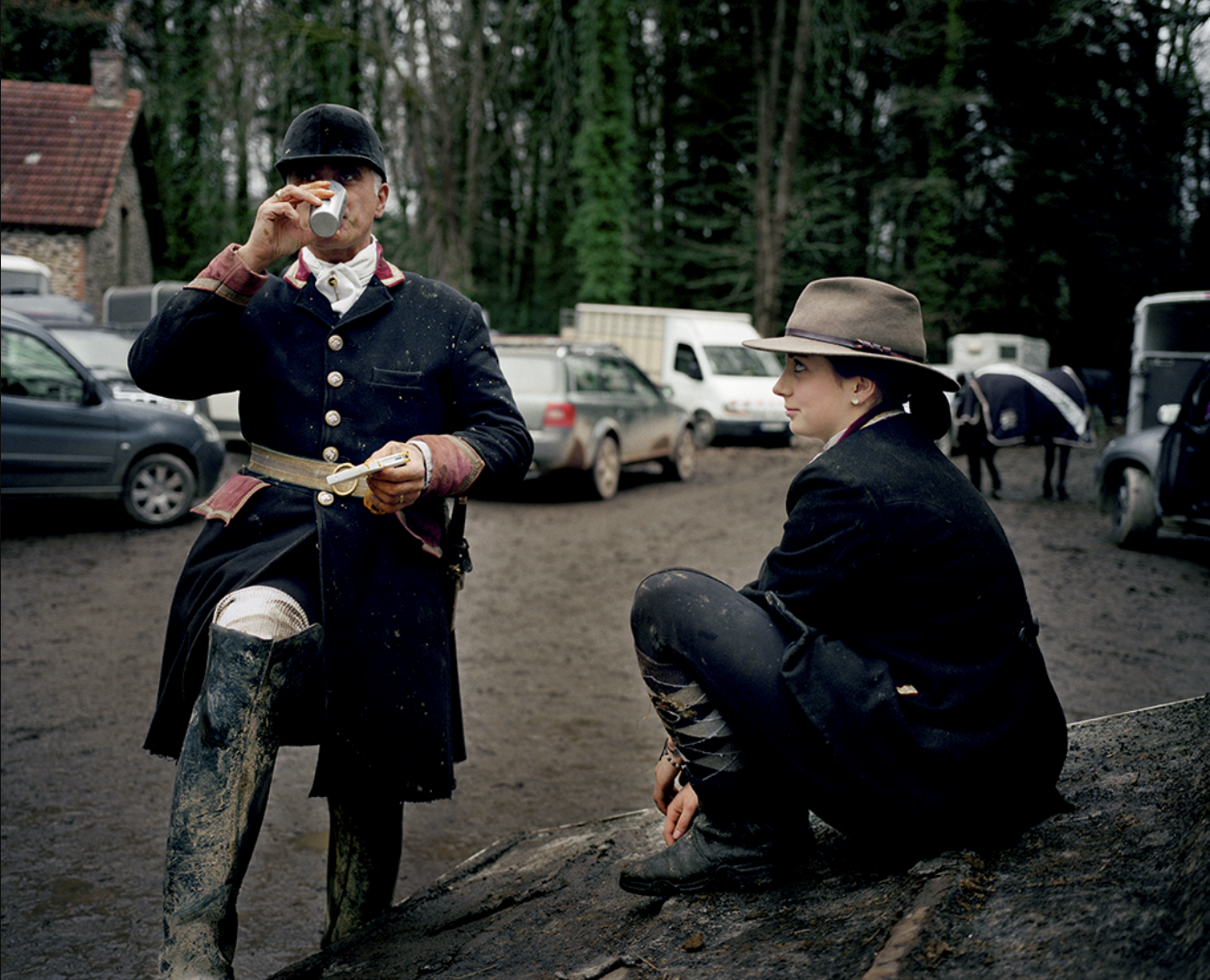
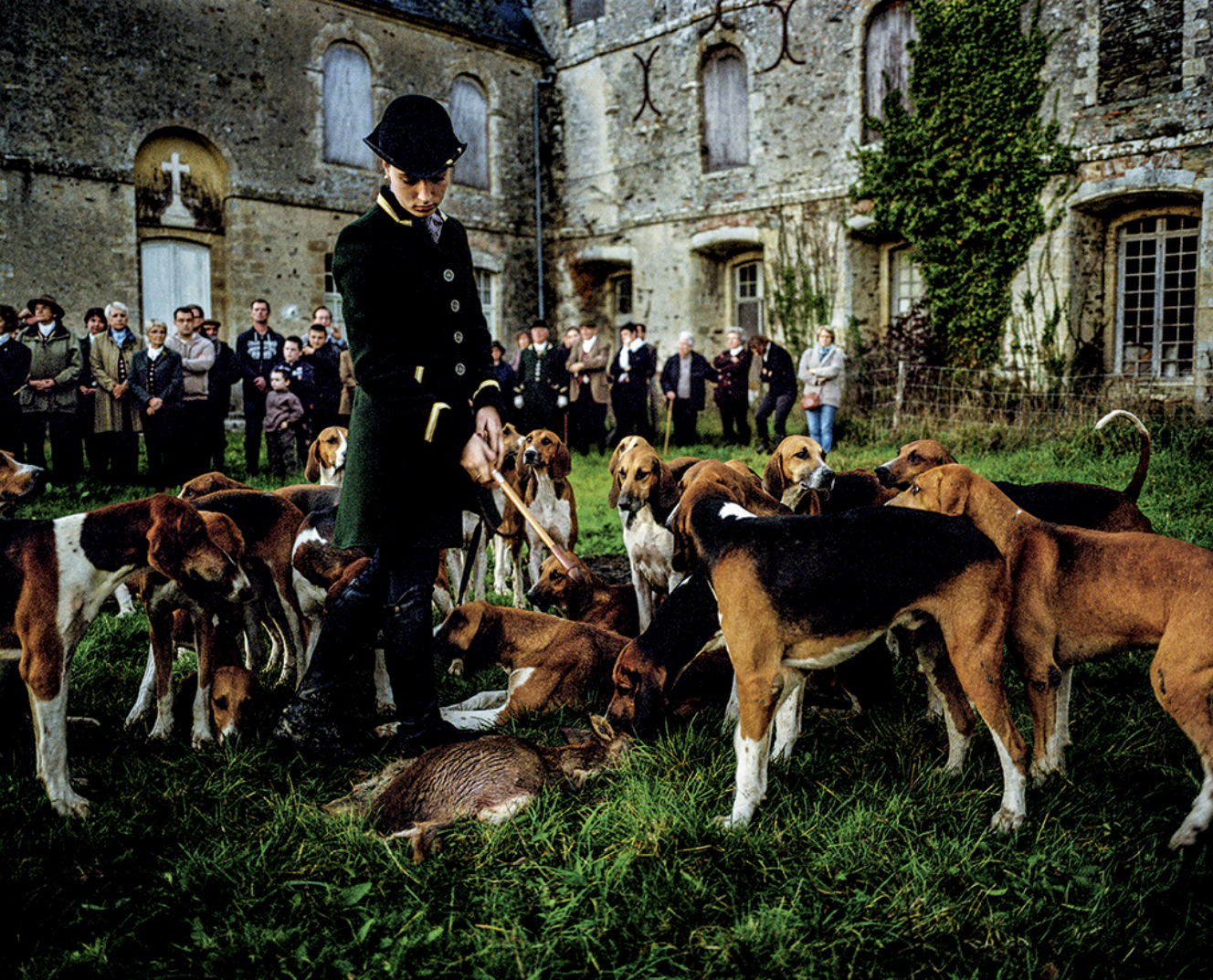
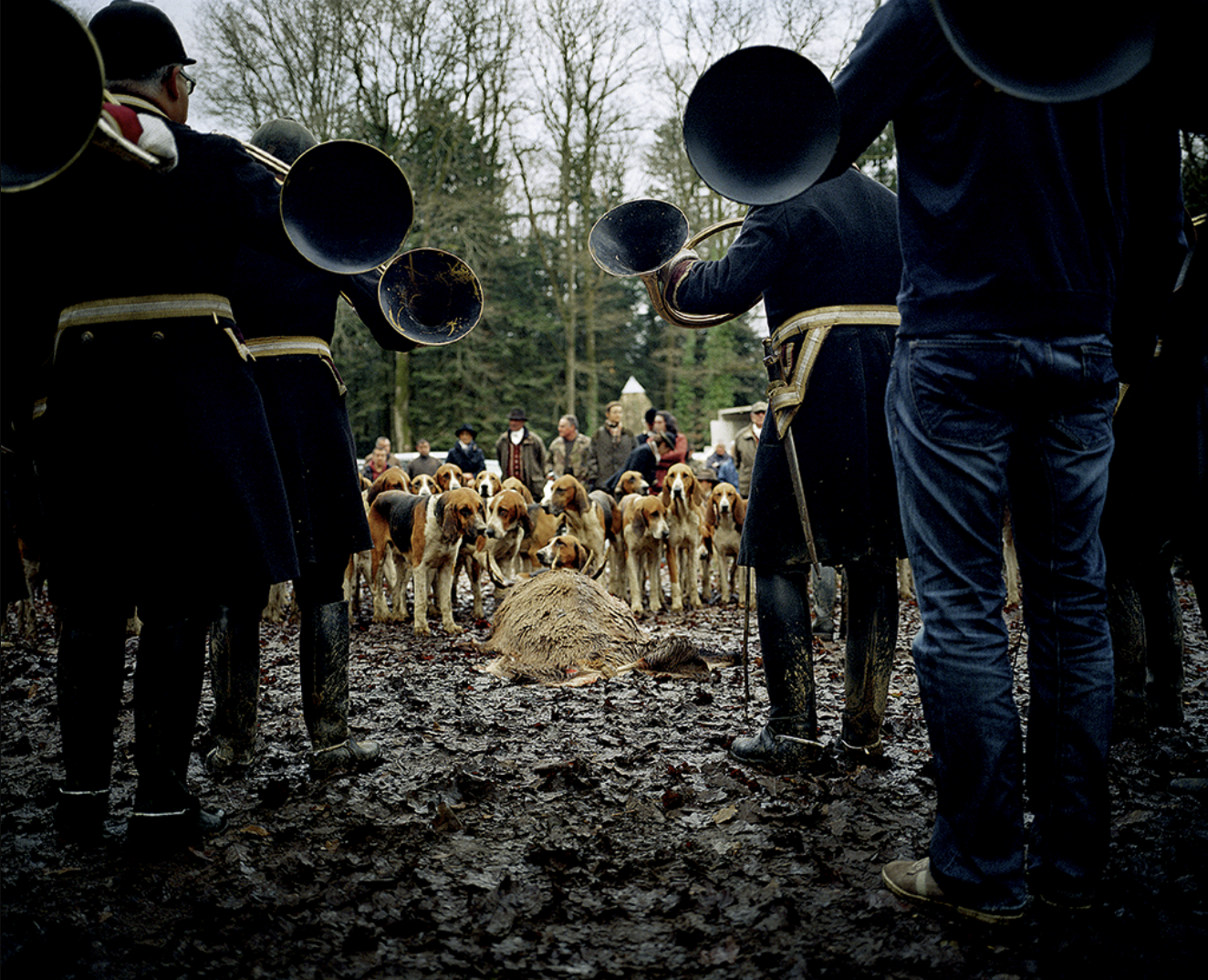
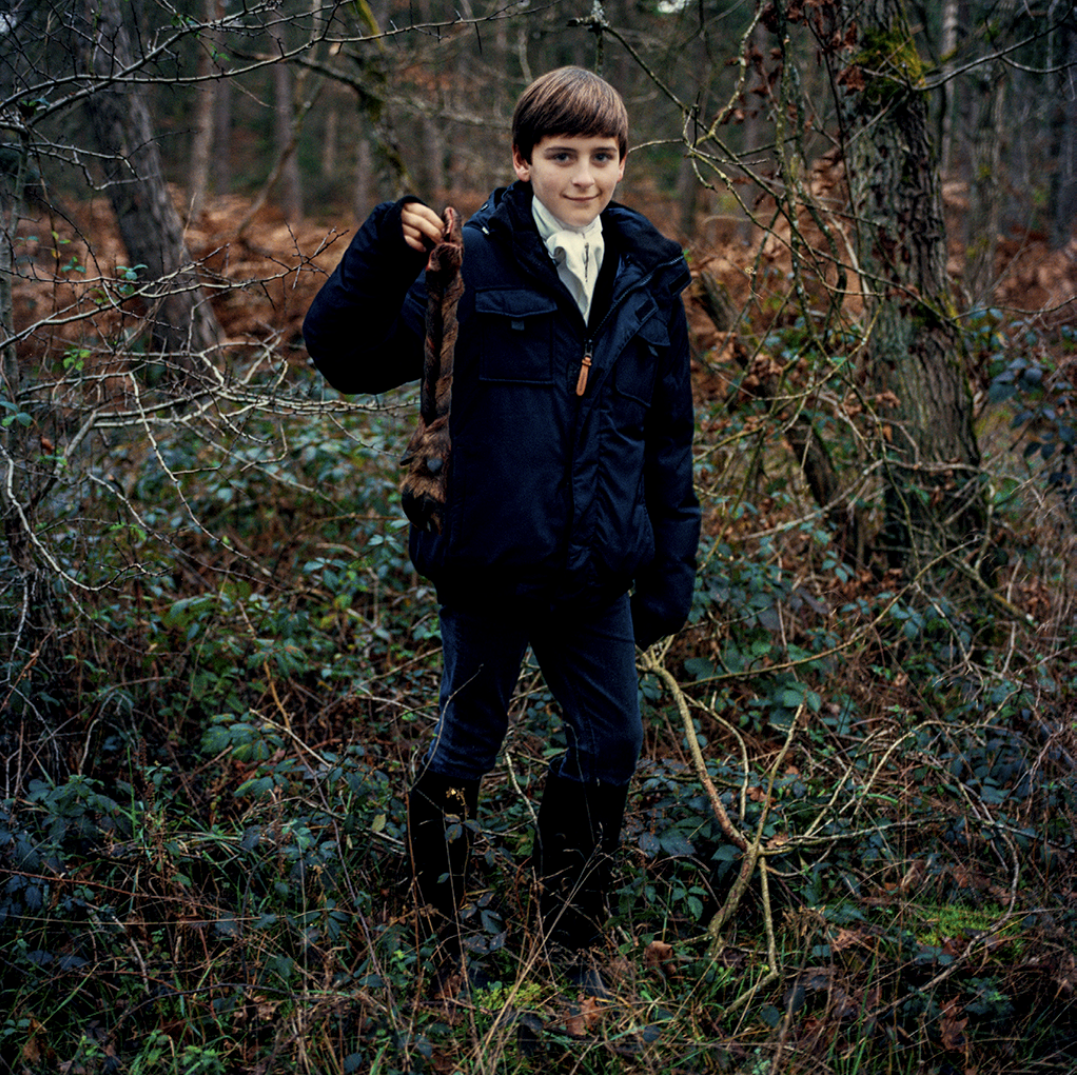
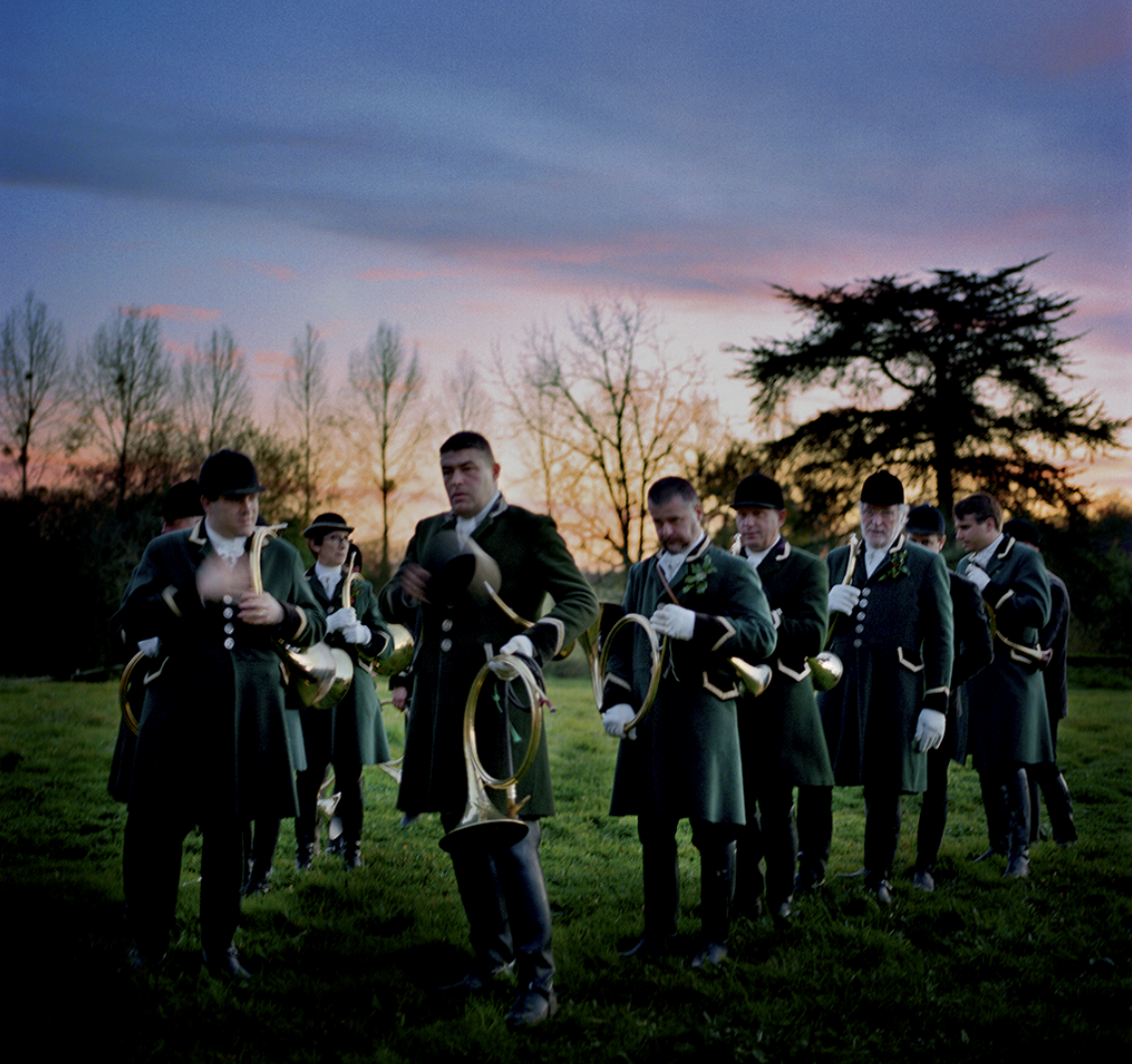
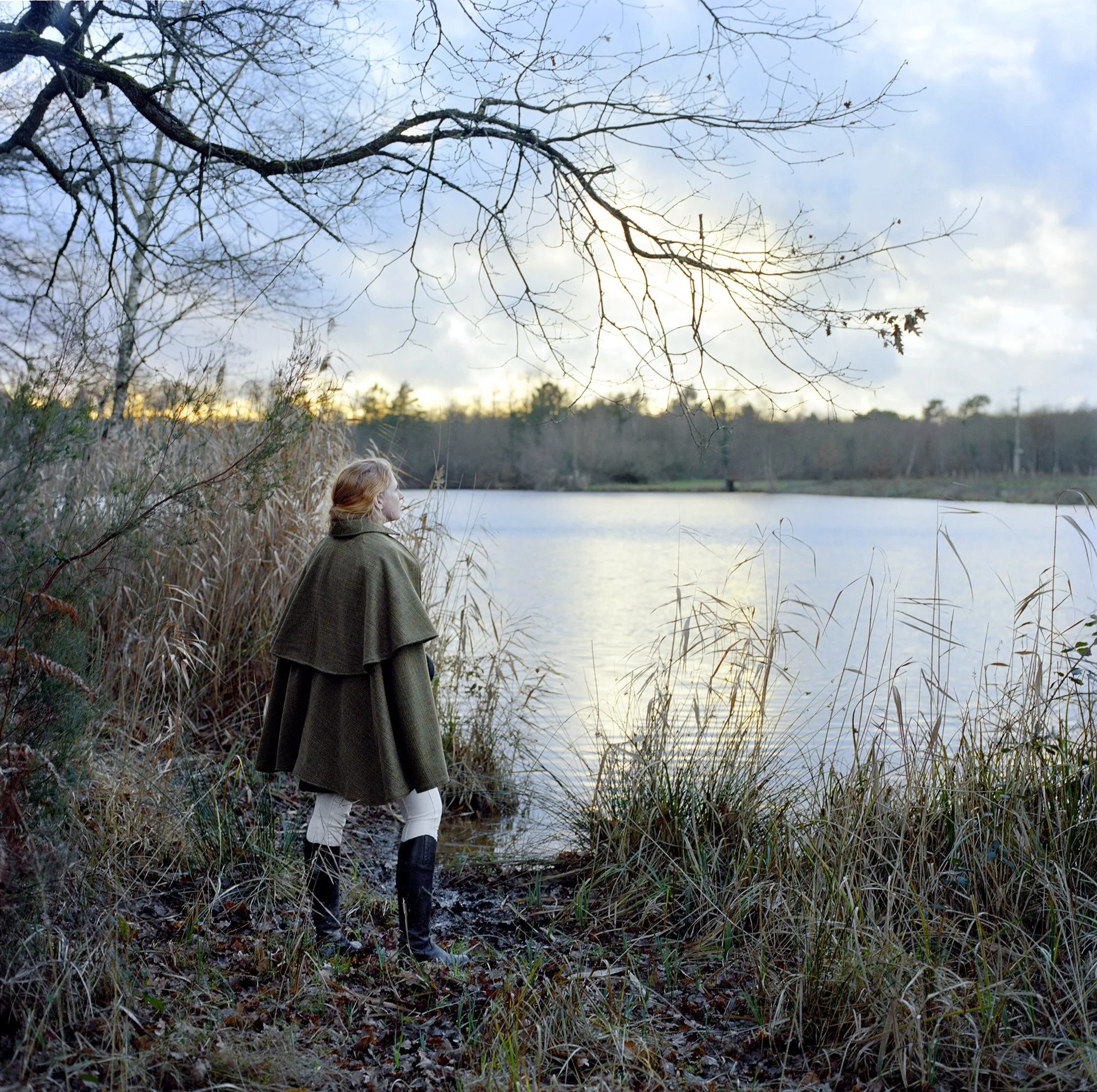
Four years ago, while walking in the forest of Fontainebleau, I came across some strange individuals, strangely dressed, on horseback, surrounded by dogs and blowing their horns. After thinking that it was a film shoot or a historical reenactment, a veneur put me back on the right track: I had just discovered, at the age of thirty-seven, the existence of hunting with hounds. Because of my Peruvian origins and my attachment to the traditions of the cult of the Pachamama, I was immediately captivated by the beauty of the ritual, to the point of forgetting the goal of a hunt: the capture of the animal.
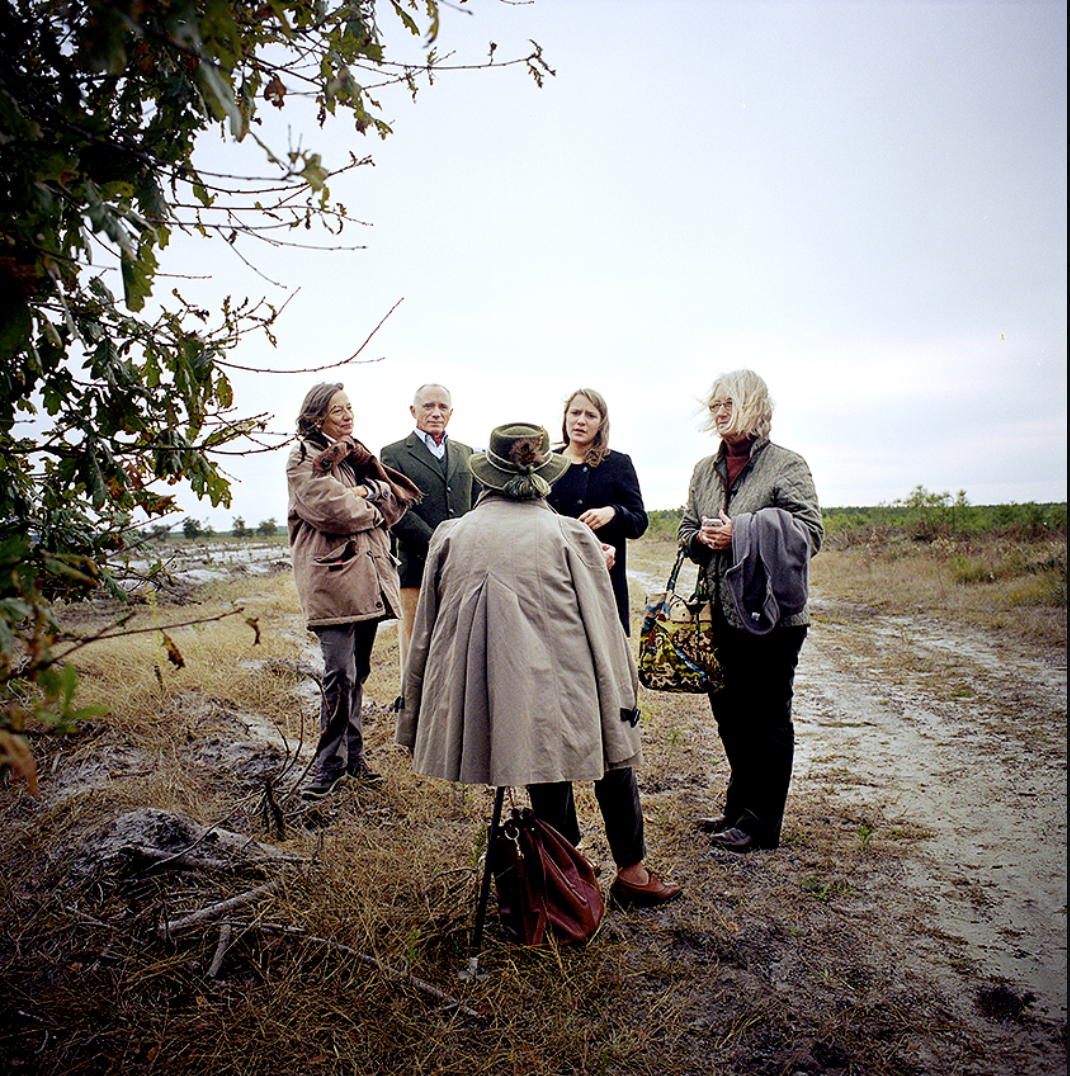
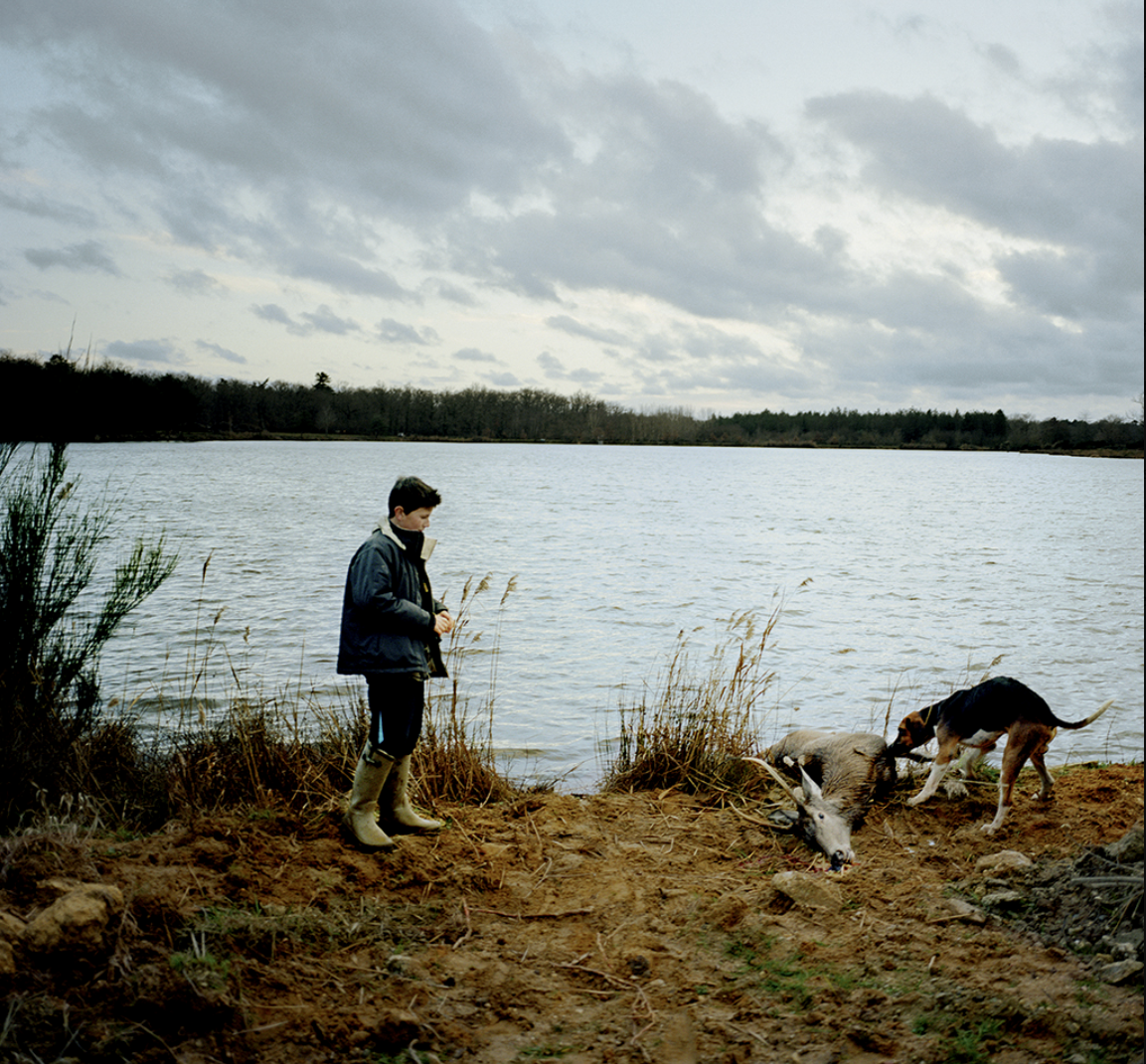
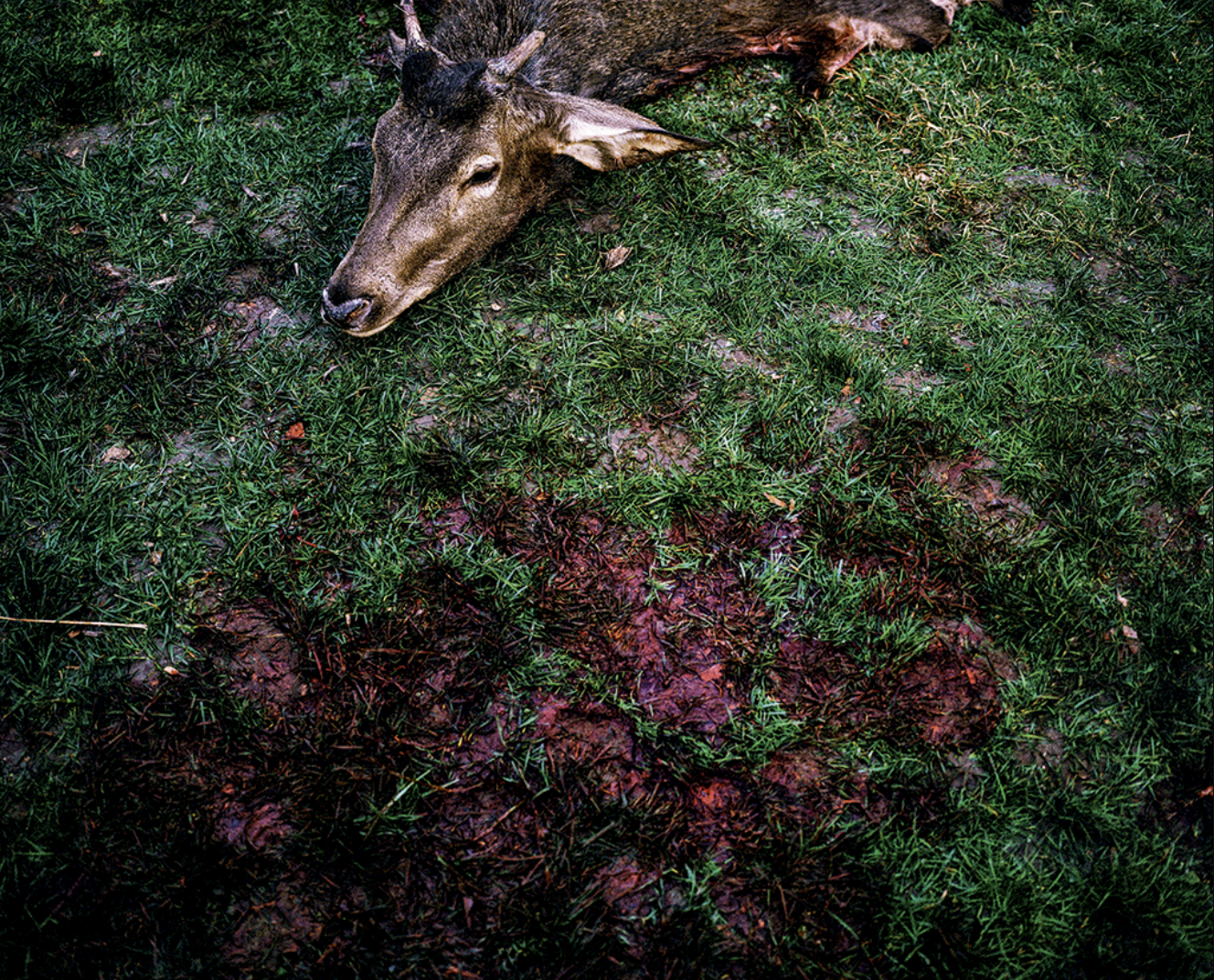
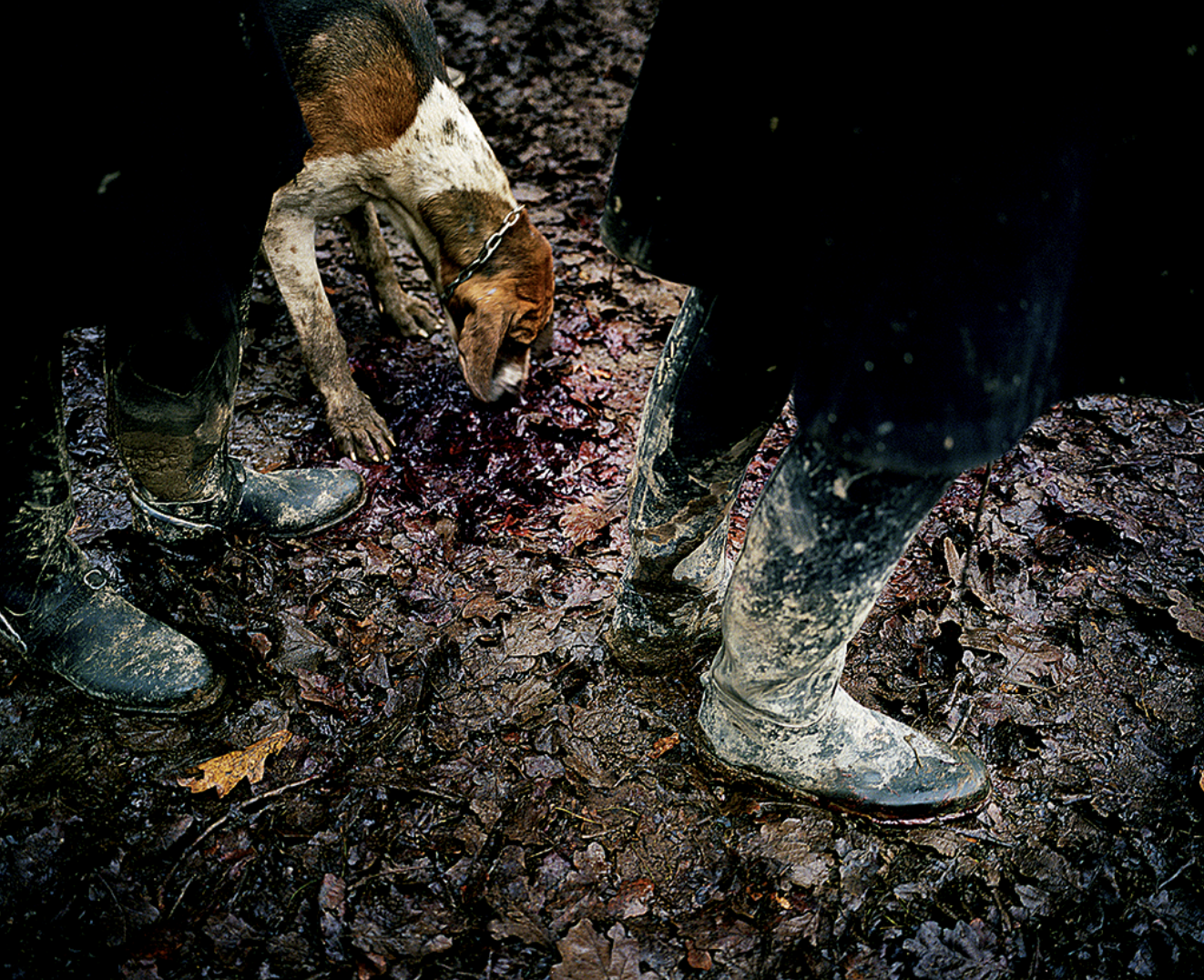
I quickly understood that it was not death itself that was a problem for me, but the conditions of death. Death is a natural process, often violent, and daily in the wild. What is not, however, is industrial slaughter. As an extension of this reflection, I wanted to meet with representatives of animal rights and anti-speciesist movements, who are true whistleblowers on the animal condition, in order to exchange views with them. The points of agreement were obvious, but very subtle points of divergence did exist, particularly on the view of nature. Fighting the suffering that man can inflict on the rest of the animal kingdom is one thing, denying the importance of predation cycles within nature is another. By eliminating our natural predators for urban comfort, we have caused an imbalance that must be redressed. The population of the other natural prey of the wolf, bear and lynx has begun to grow outside the laws of nature, and is endangering the ecosystem of our forests. It is in these terms that the question of animal regulation is posed, which is so much debated: some say that animals and nature can self-regulate, others that the agent of imbalance must restore the balance.
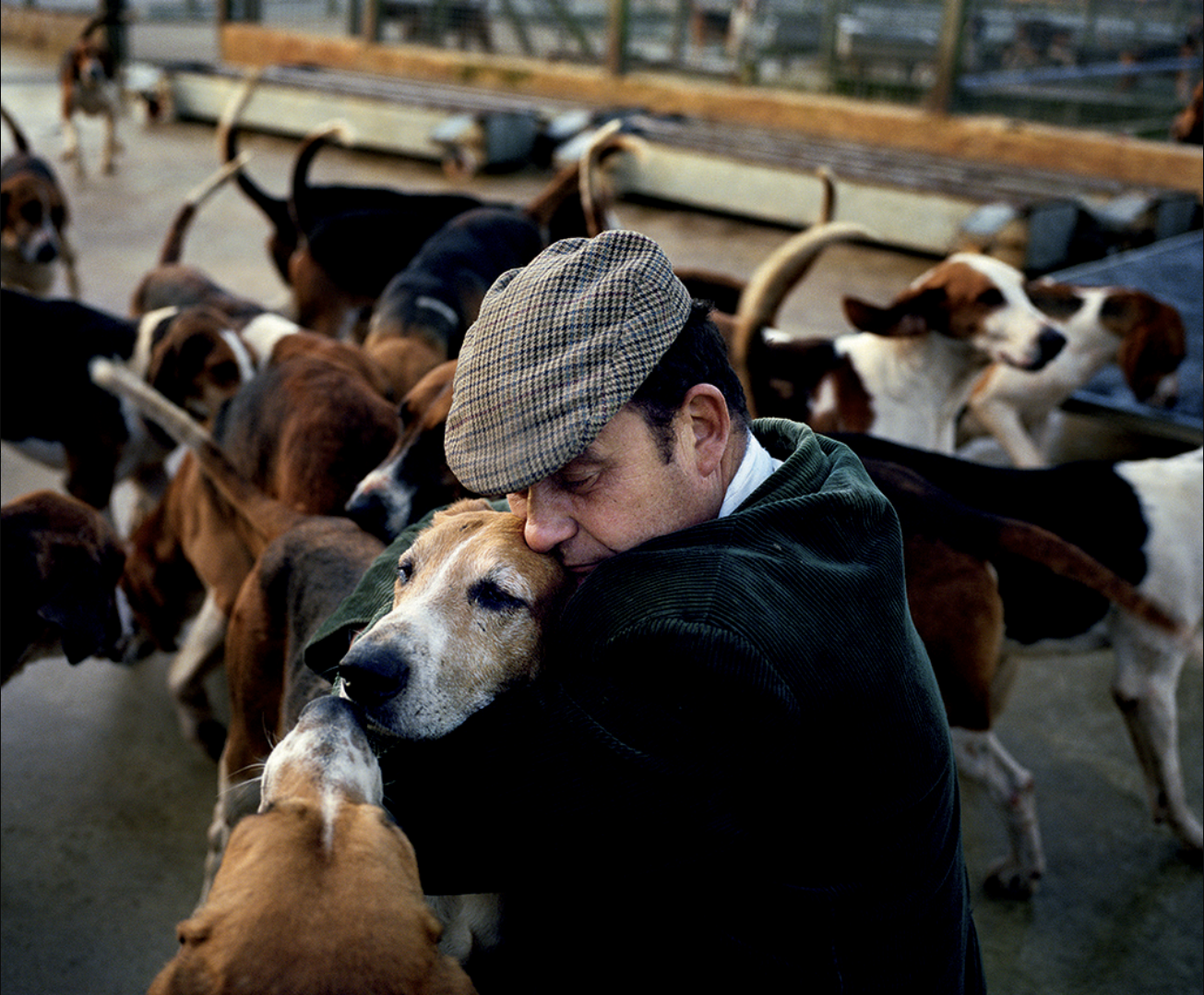
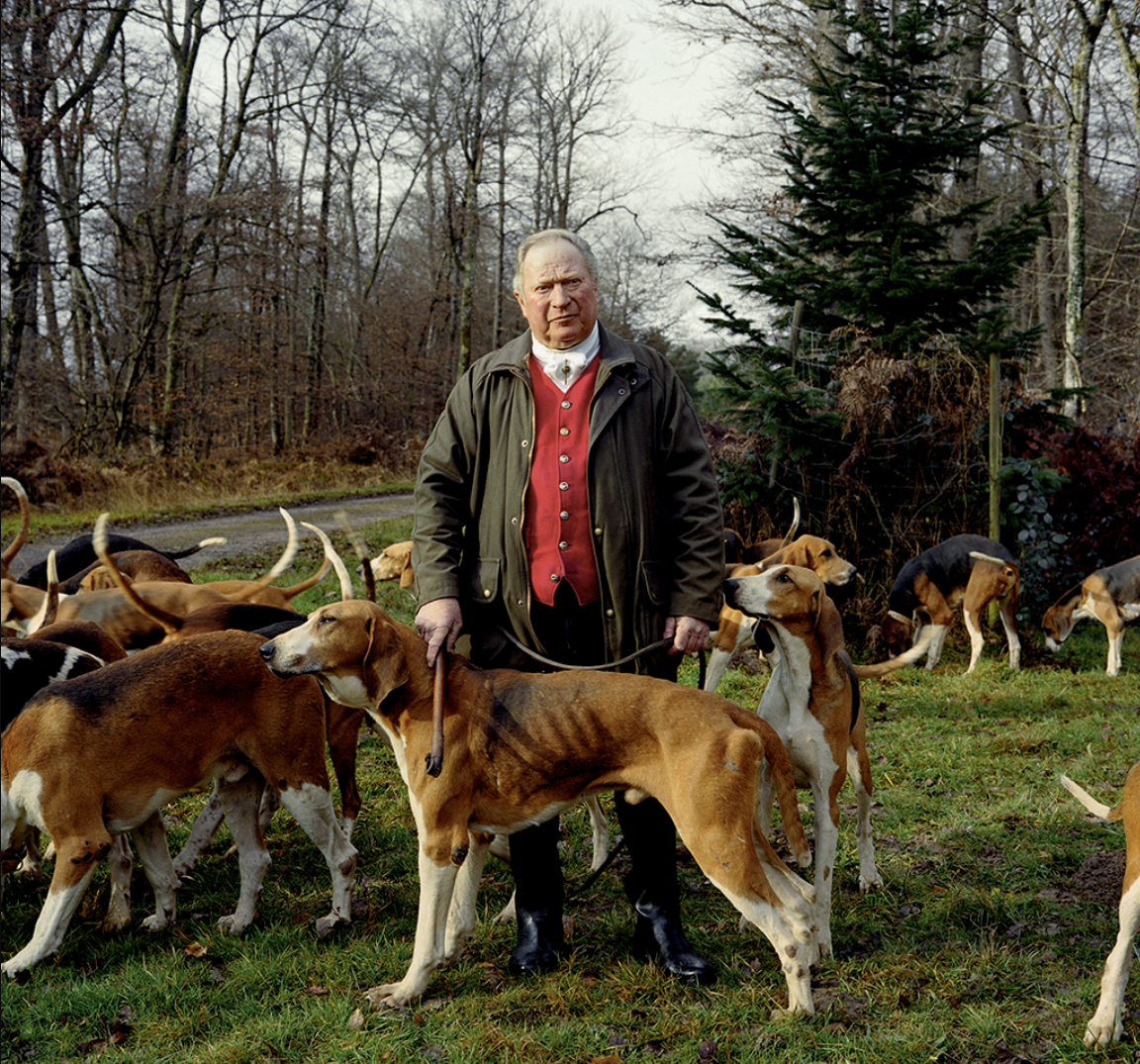
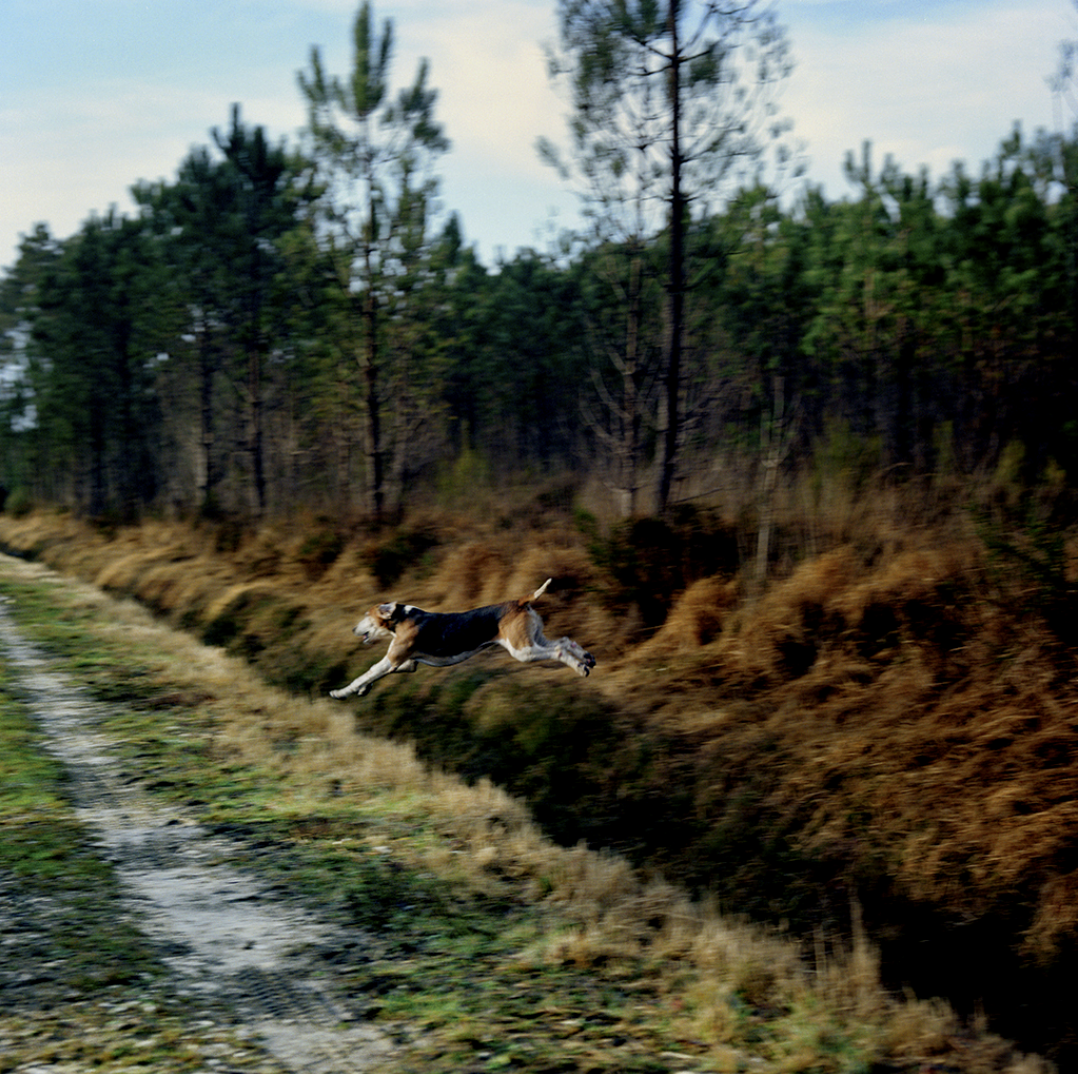
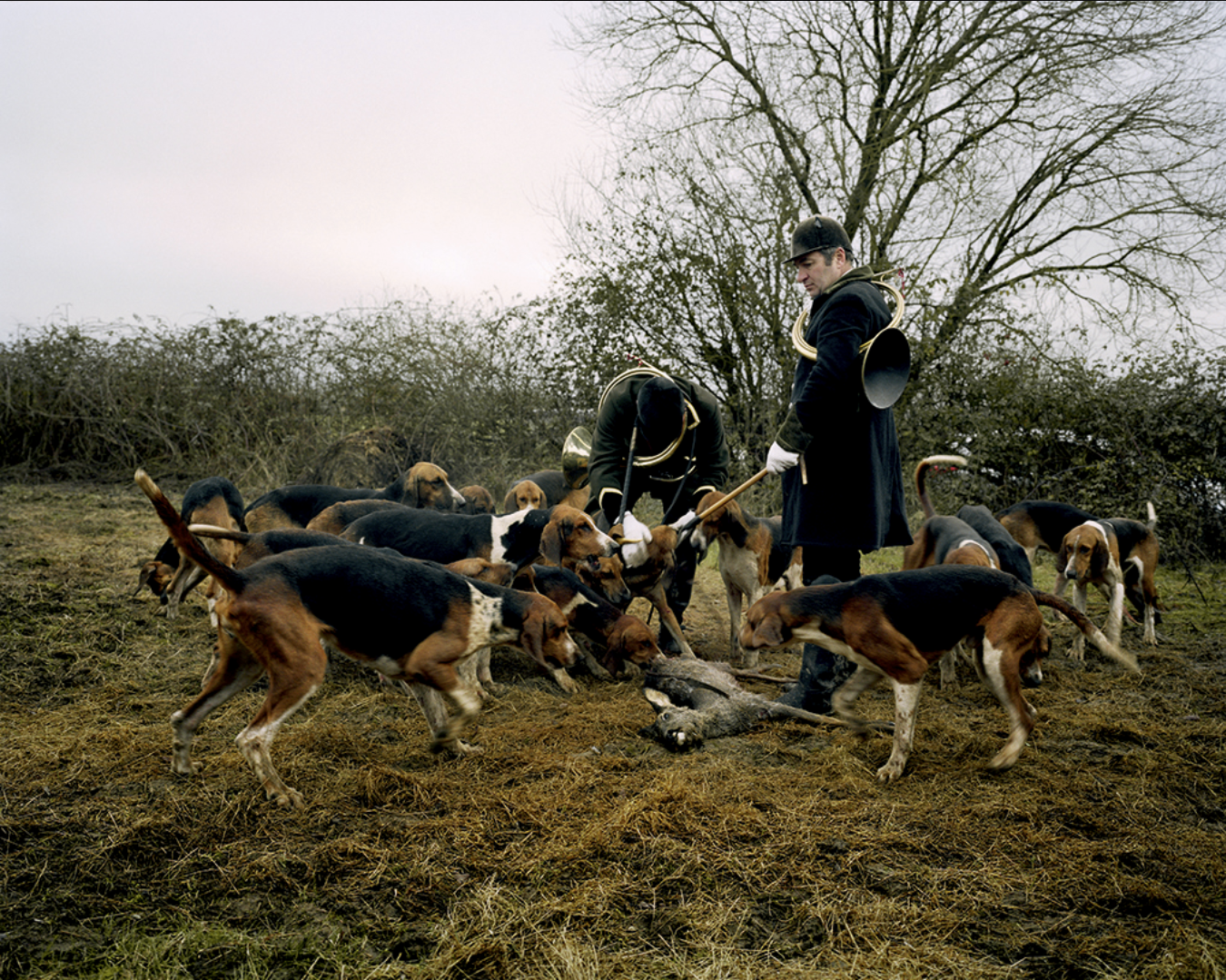
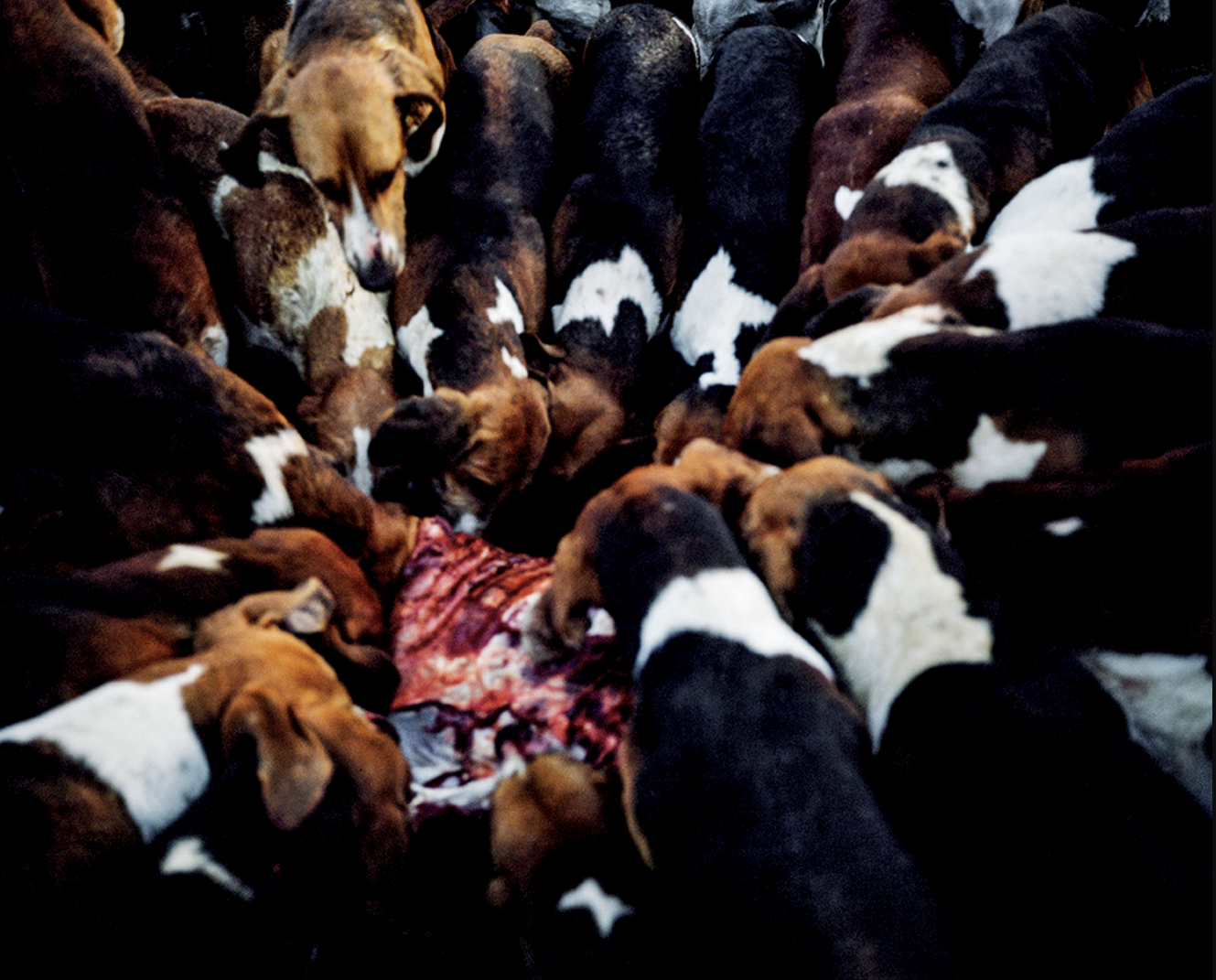
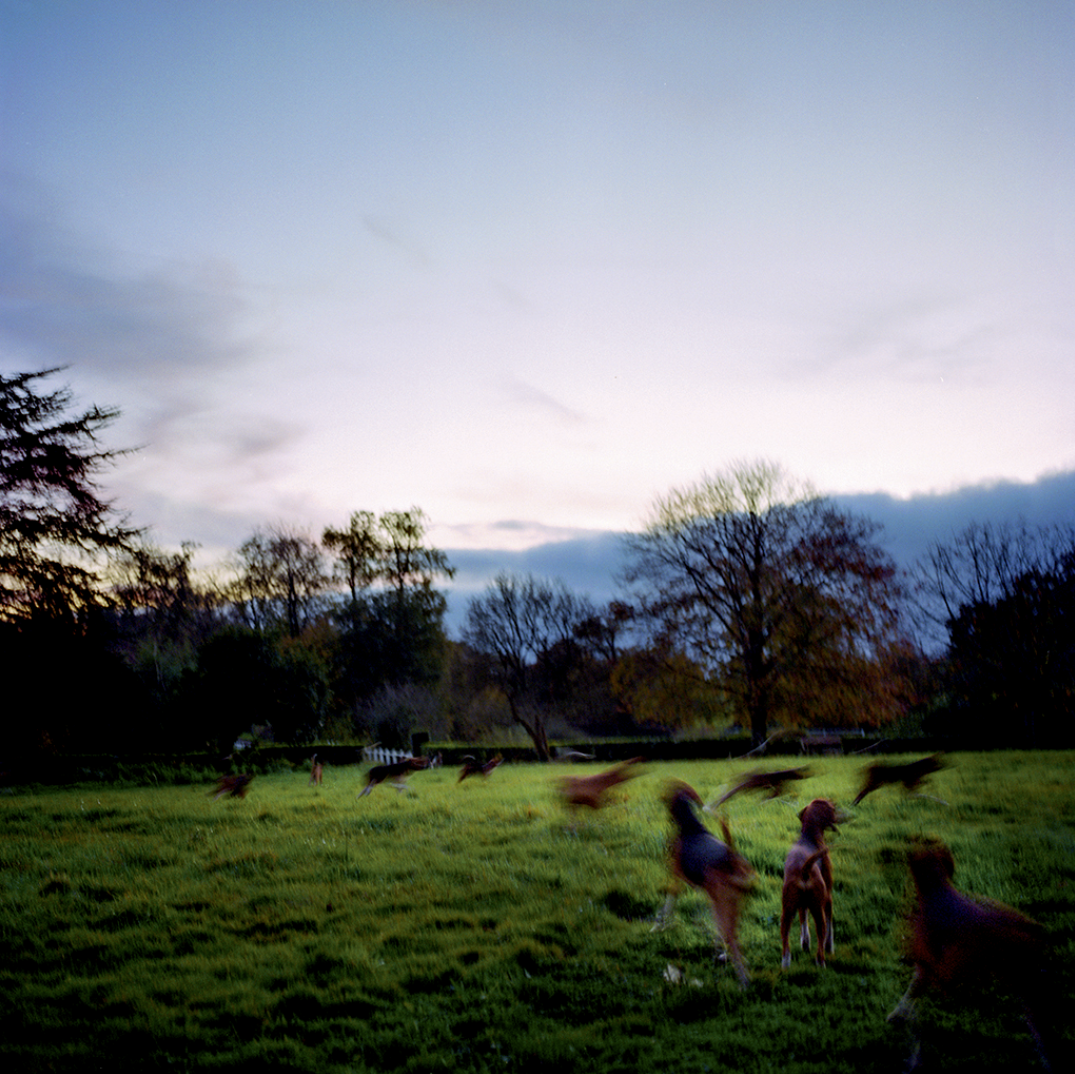
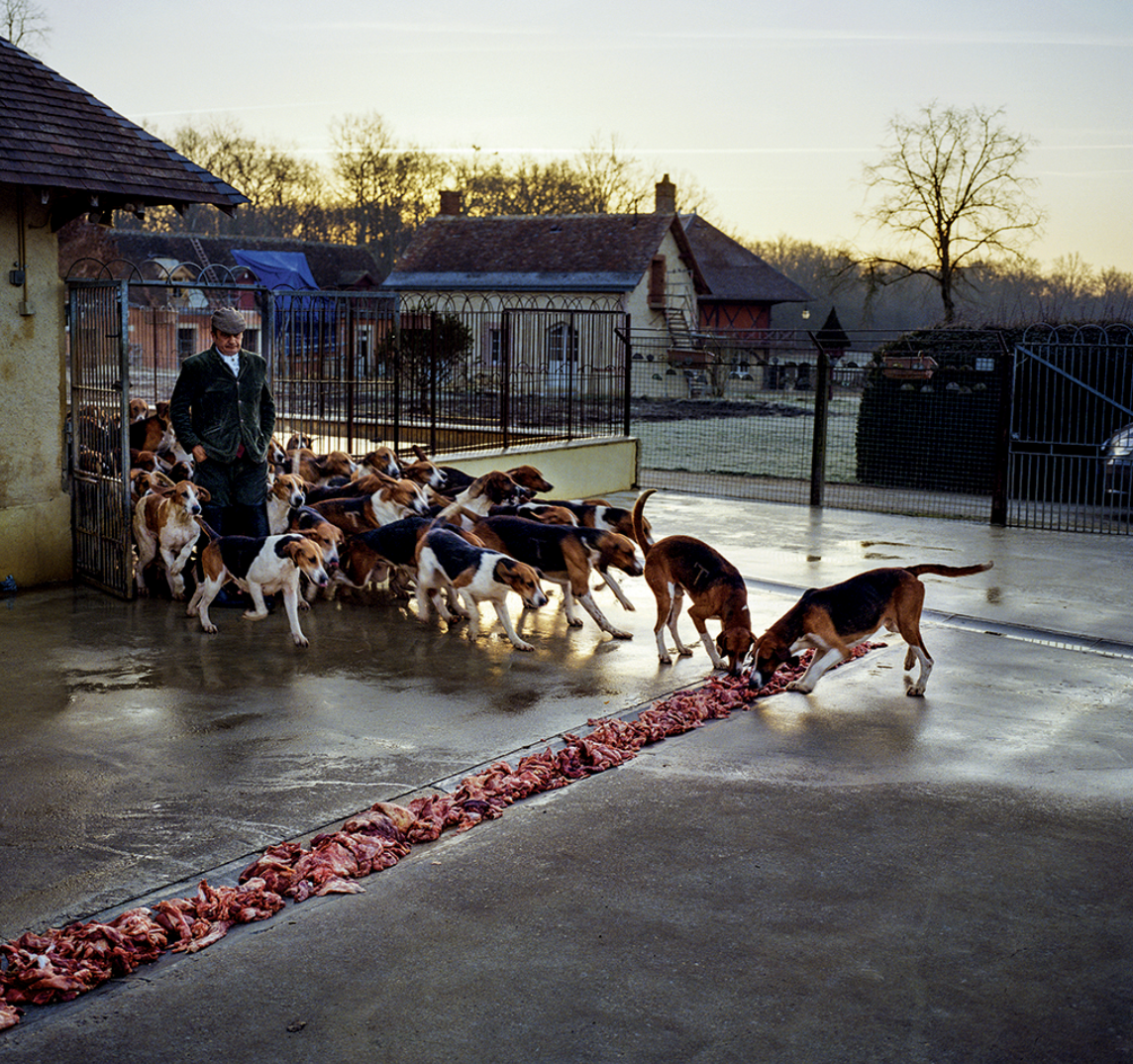
If our society is indeed against animal suffering, it is time to be coherent with its life choices, in rural as well as in urban areas. Our current standards of living prohibit the reintroduction of large predators. However, it seems to me that the use of dogs to restore the balance should be taken into consideration. The dog is irreducibly a natural carnivorous predator, not a pet intended to eat kibble ("white teeth", "silky hair"). Does the dog pack chase its prey to exhaustion? Indeed, just like the old wolf packs. Is the venisoner close to the dogs in this game of predation? Yes, he resumes and assumes his predatory nature within the nature. Is the veneur barbaric? I don't think so. What he likes is to see the wilderness in all its splendor, to see the dogs use their most precious asset, "the nose", and to see the prey use its tricks, like the hare which, as a last resort, keeps its scent so that the dog does not find it.
In this debate, I could reproach some behaviors to both sides. Can we not wonder about the fact that some vets, who have become predators in the wild, behave, in the city, like prey to a suffocating public opinion by hiding from their professional entourage more than a hobby, a way of life? When one has the audacity to take a life, one must assume and proudly wear the eternal values that one advocates. On his side, is the anti-specist right to revolt and to sound the alarm on animal suffering? We have in fact reached a point of no return on the exploitation of life and animal abuse, and it is true that the great social battles have often been won through civil disobedience. However, the most virulent of them do not have to impose their choice of life by violence.
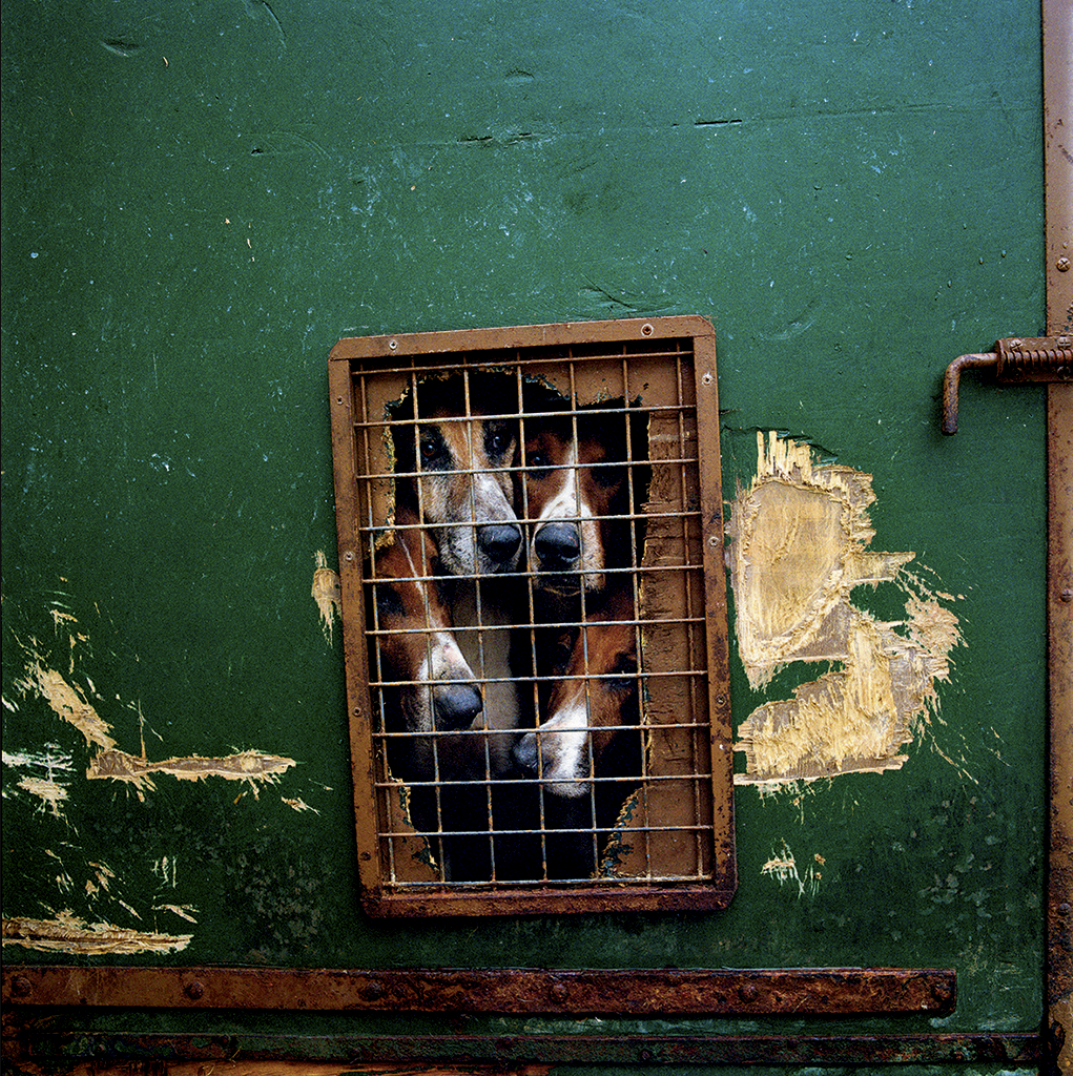
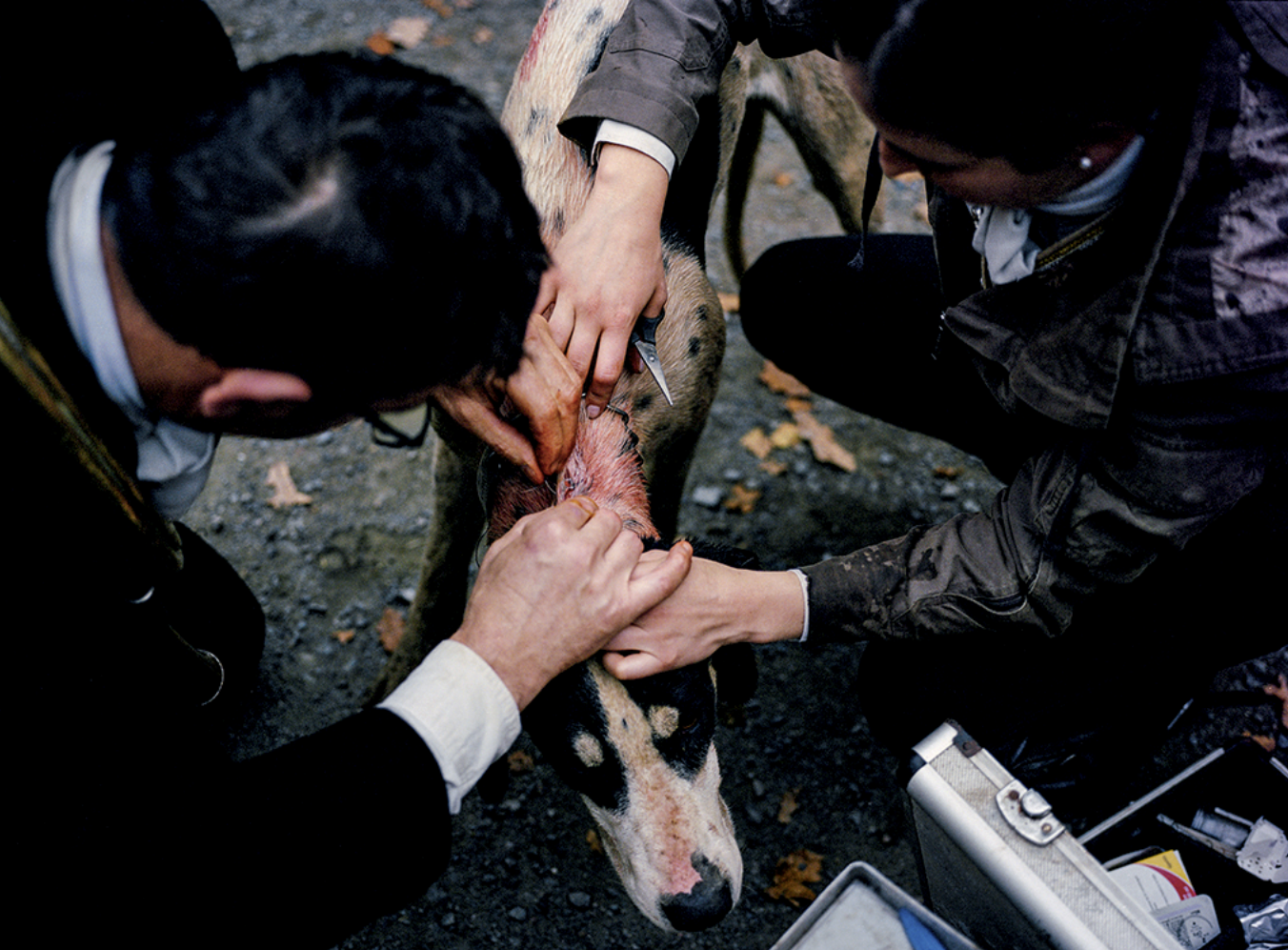
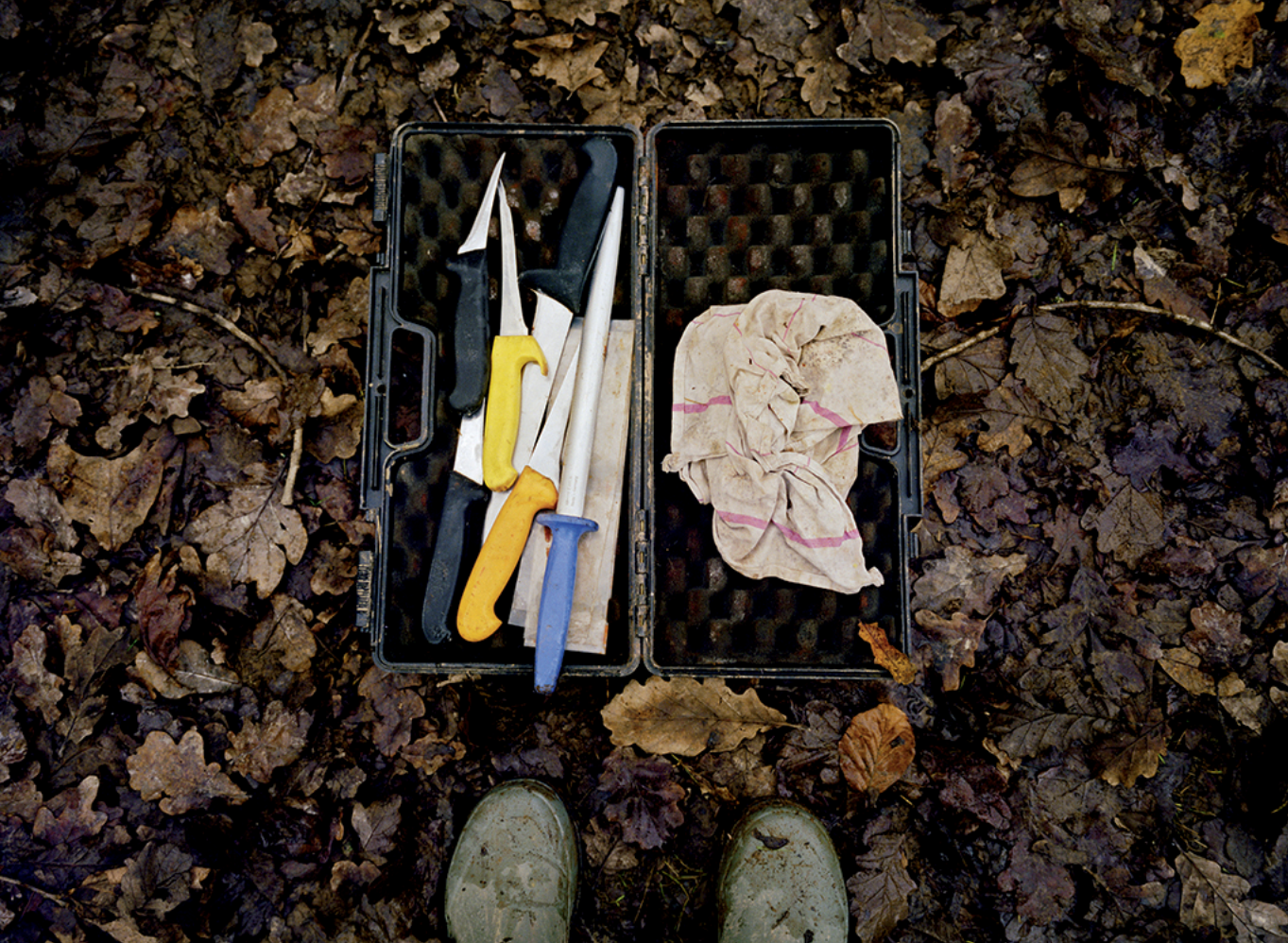
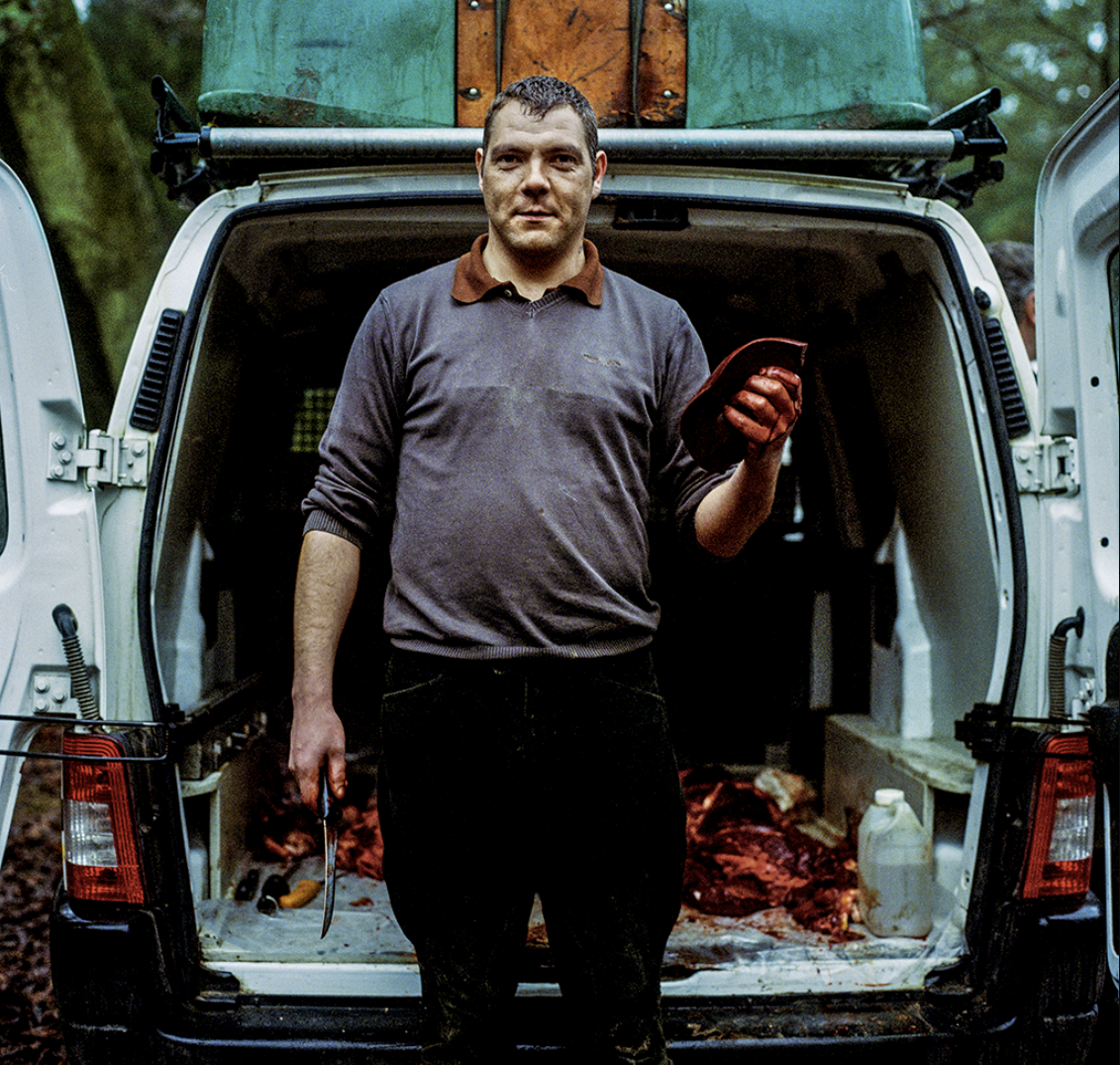
To conclude, if the cruelty of this practice and the photos of this work shock us, shouldn't we question our relationship to death in an increasingly sanitized society, which consumes the living dead without wanting to be informed of the way in which the products are killed, manufactured and transported to our refrigerators or our dressing rooms. Why not talk about how many animals are killed on the roads and railroads for our convenience? And in the concern of an ever fairer balance, should we not come to regulate the human species itself to leave more room for other species? Finally, isn't the question to be asked that of the predatory logic, where each one is in his place? In industrialized countries, man tends to set himself up as "master and possessor of nature", without worrying about the fact that nature never does things by chance.
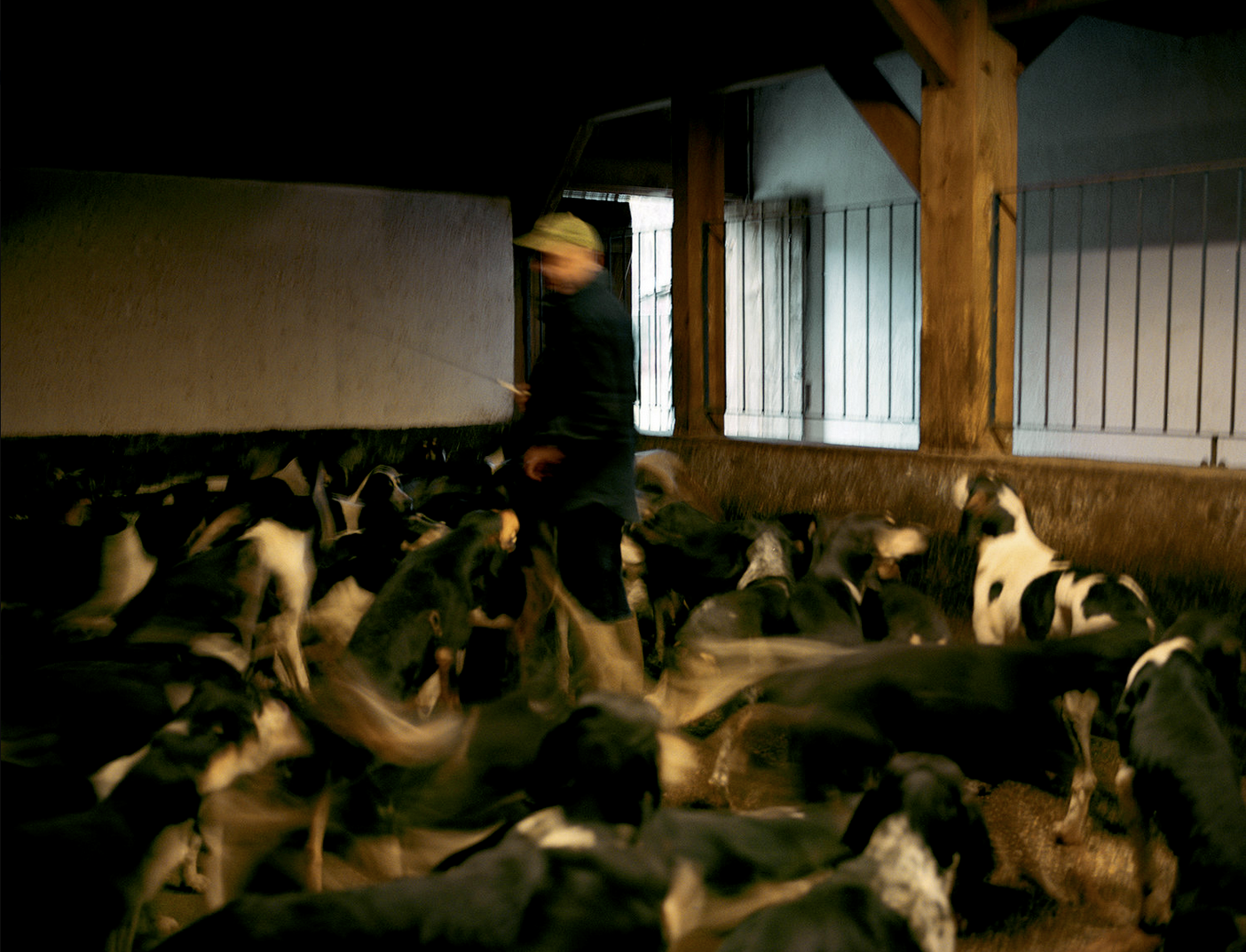
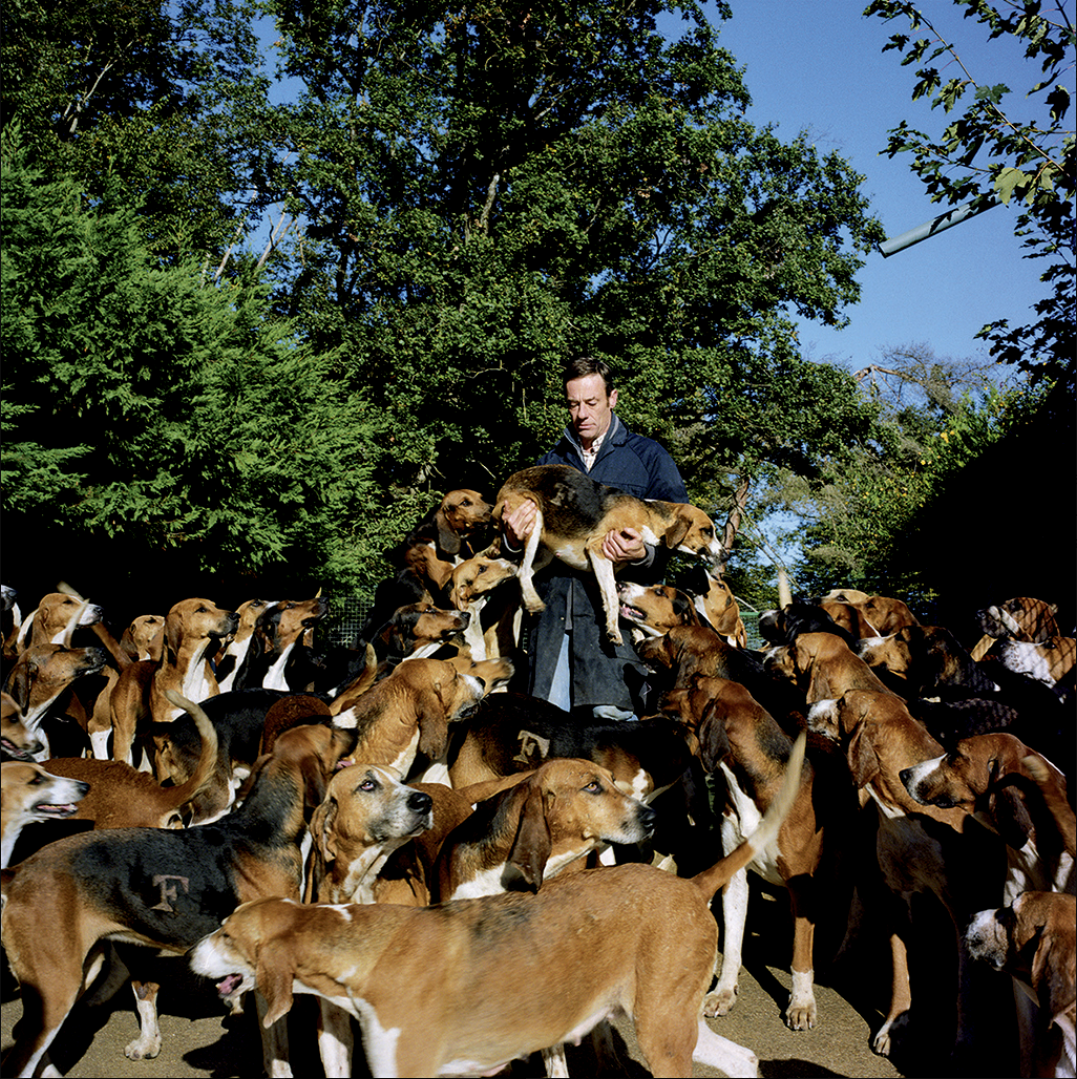
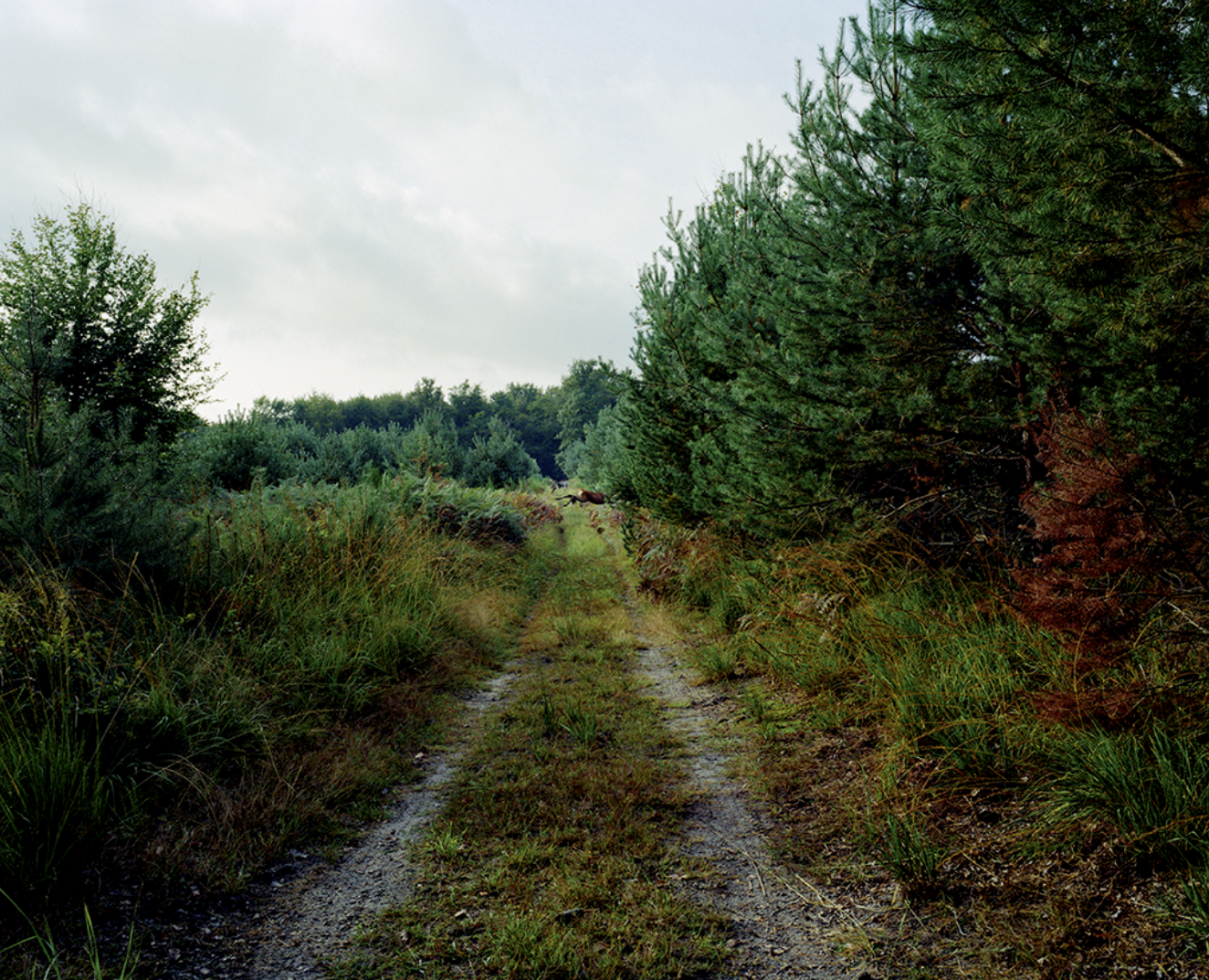
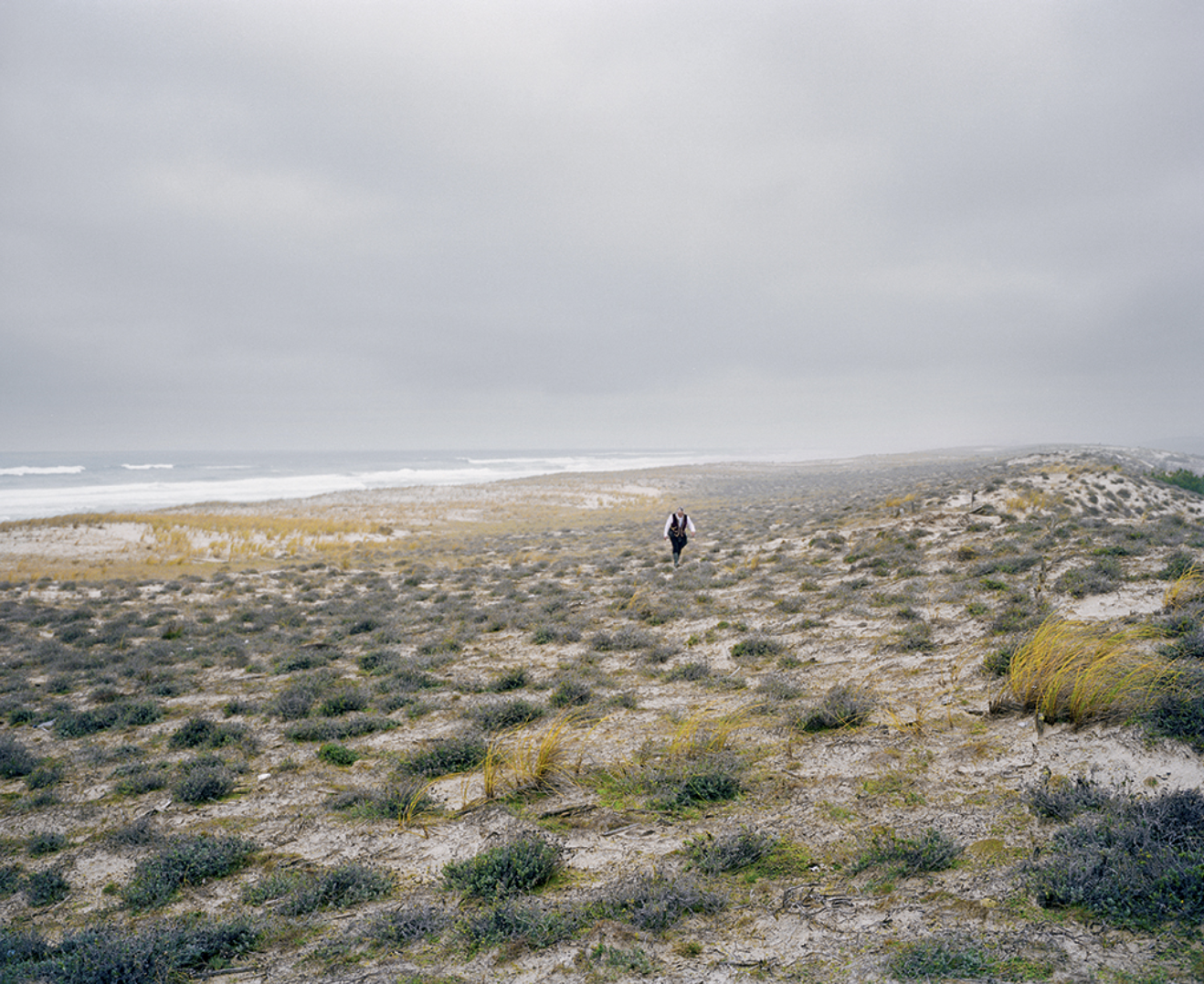
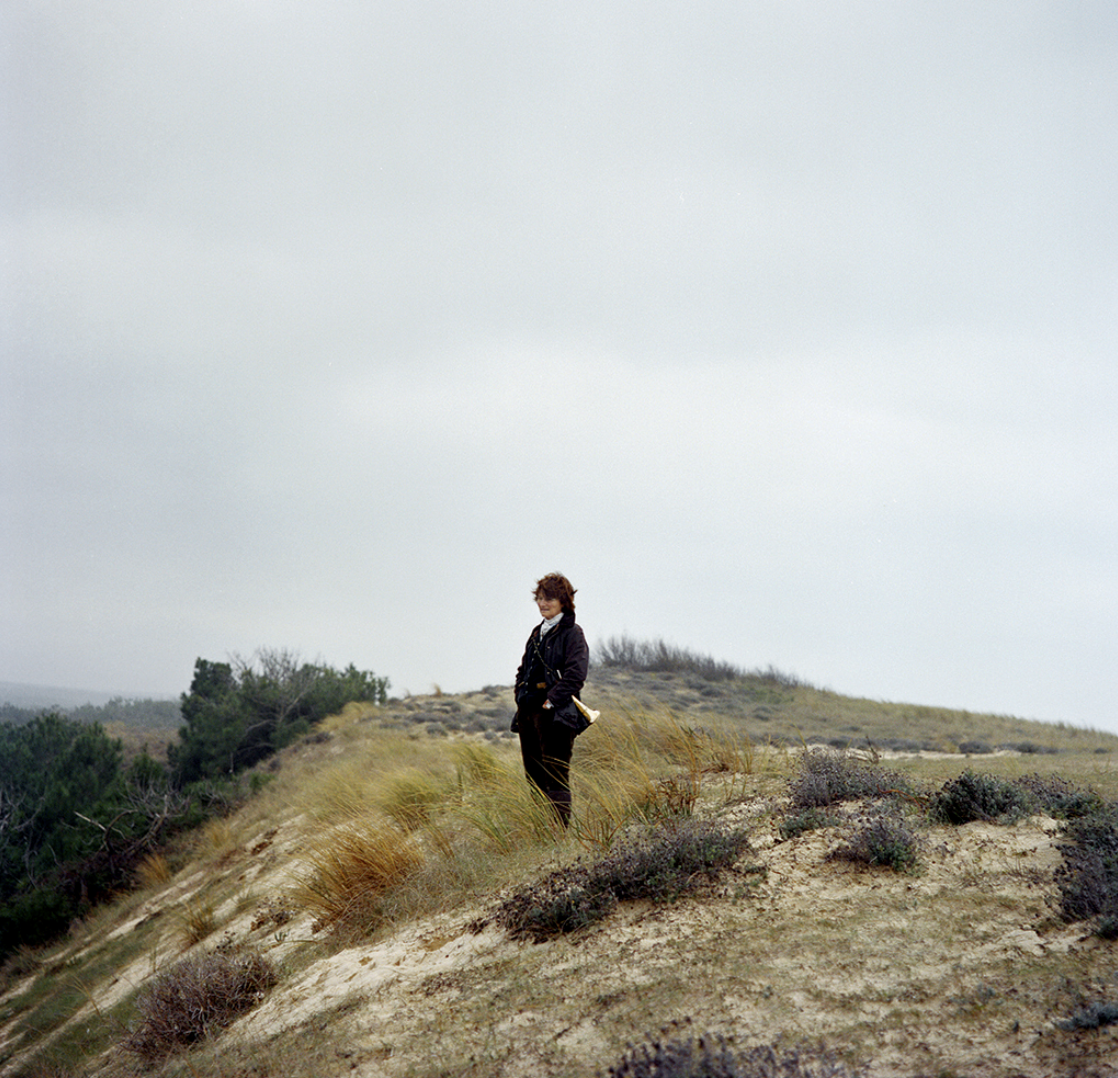
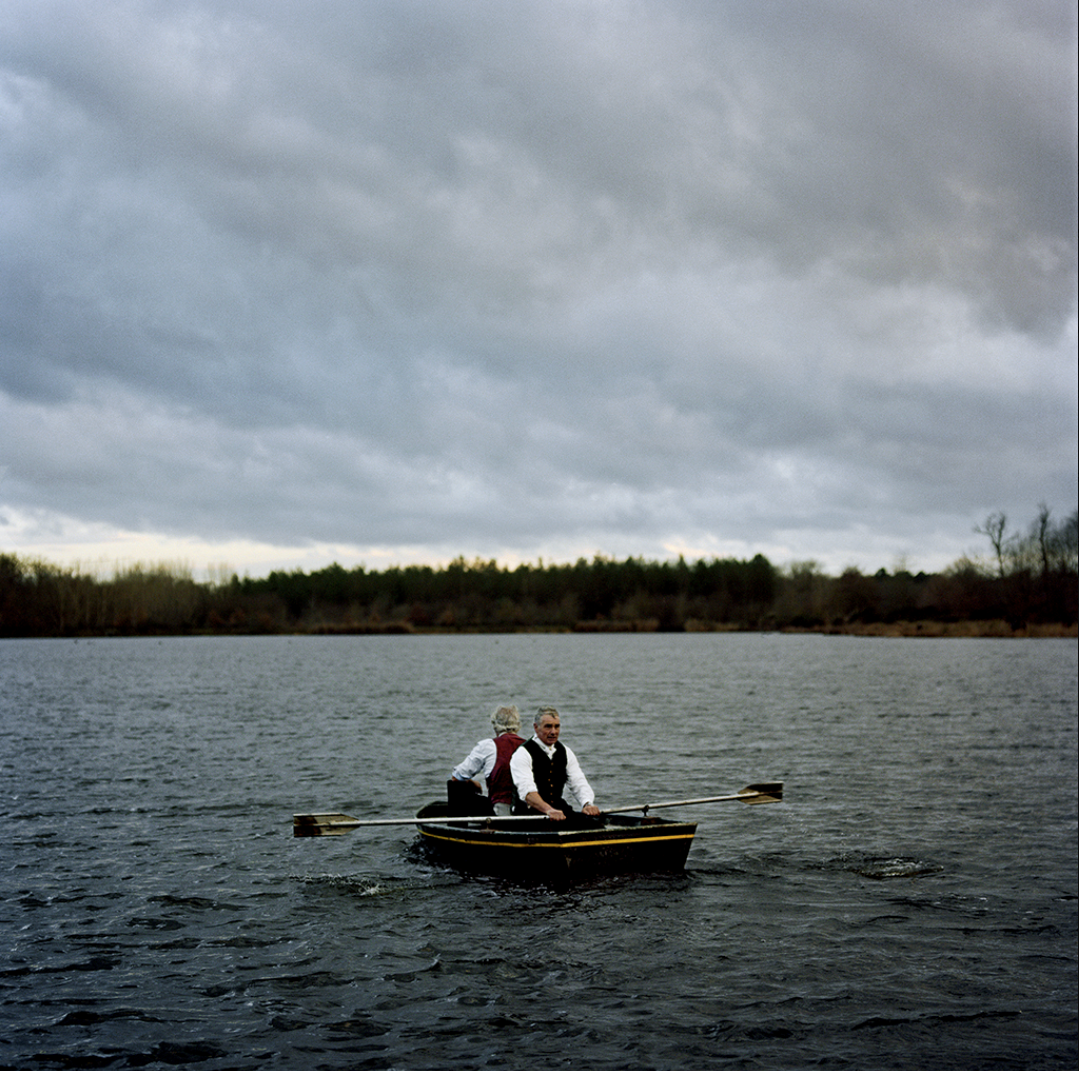
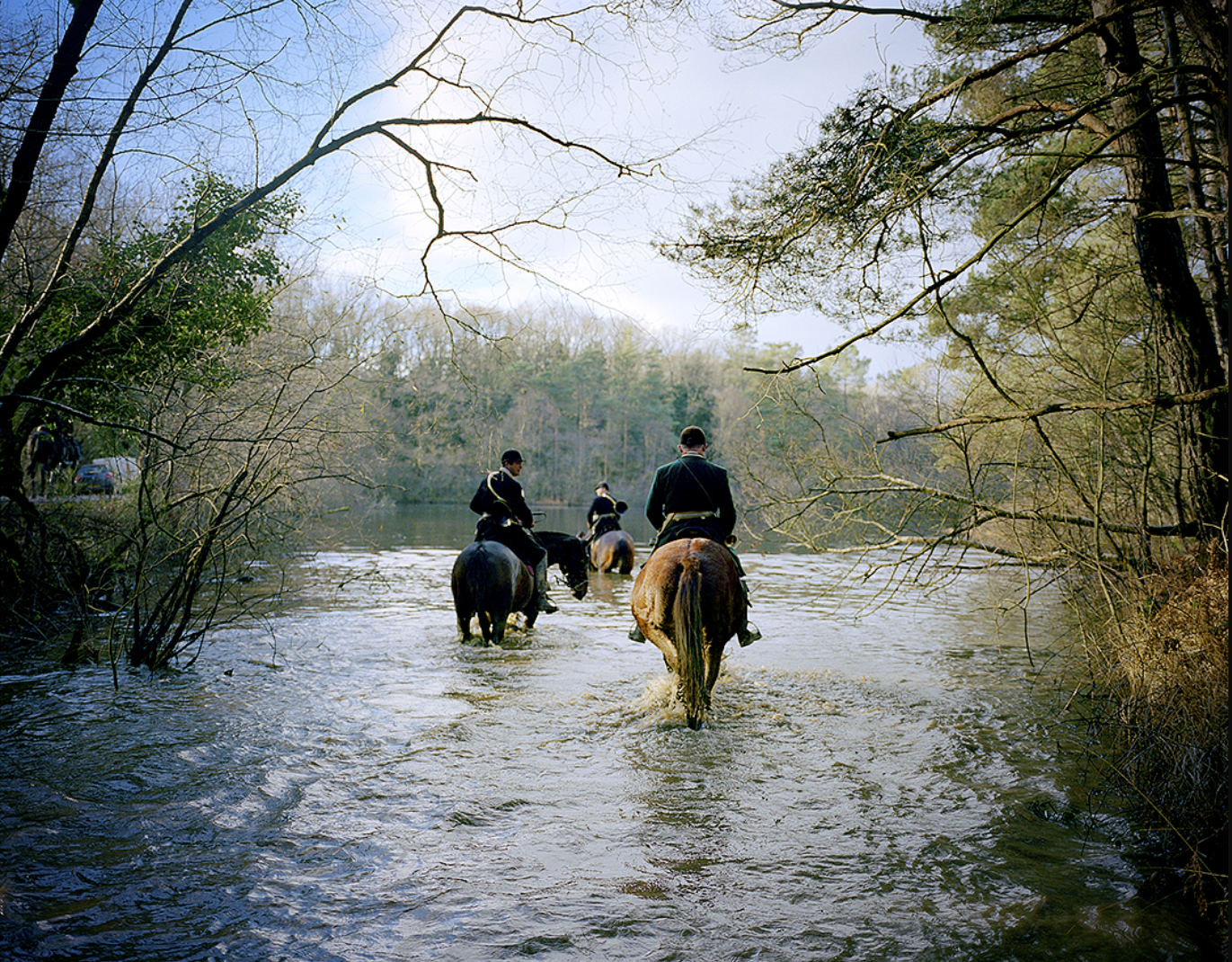
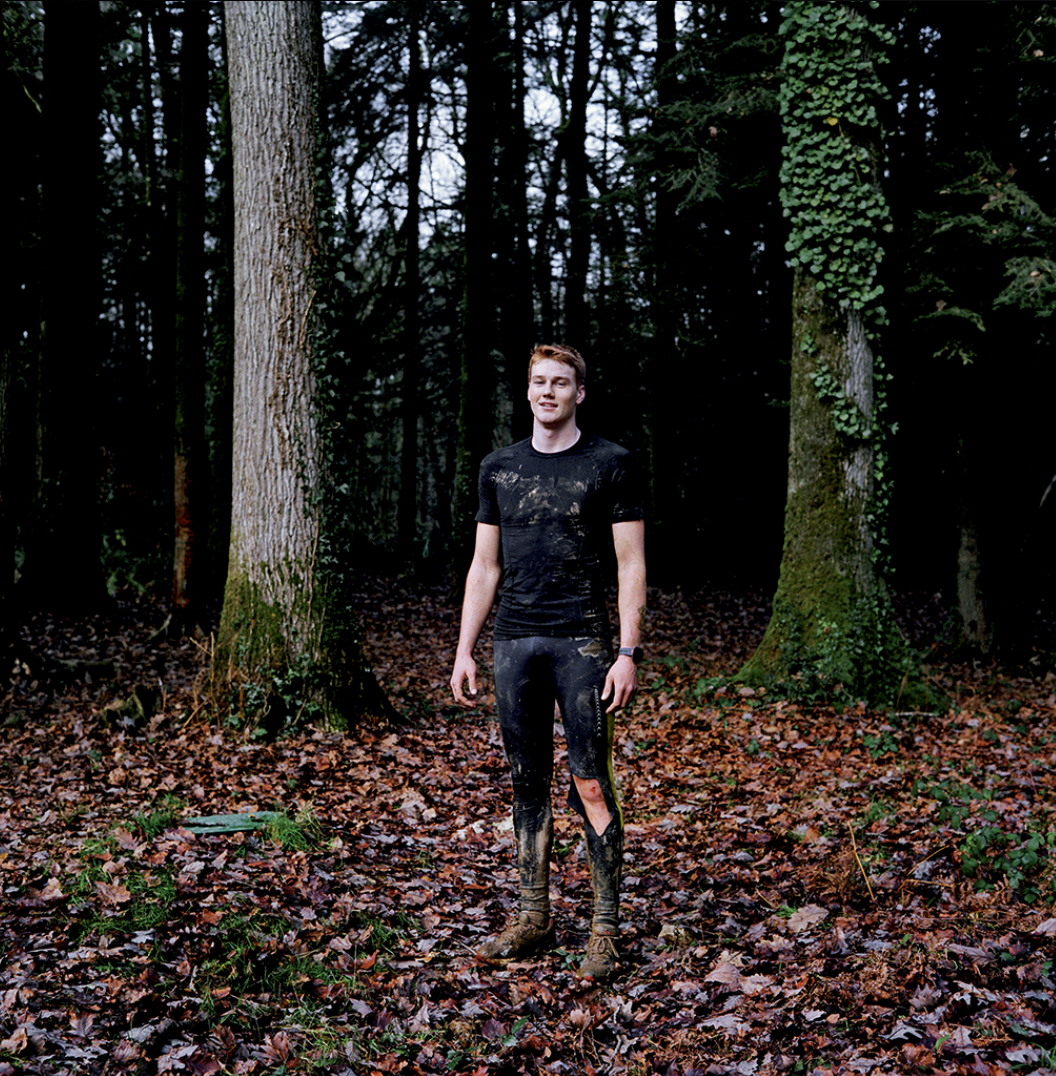
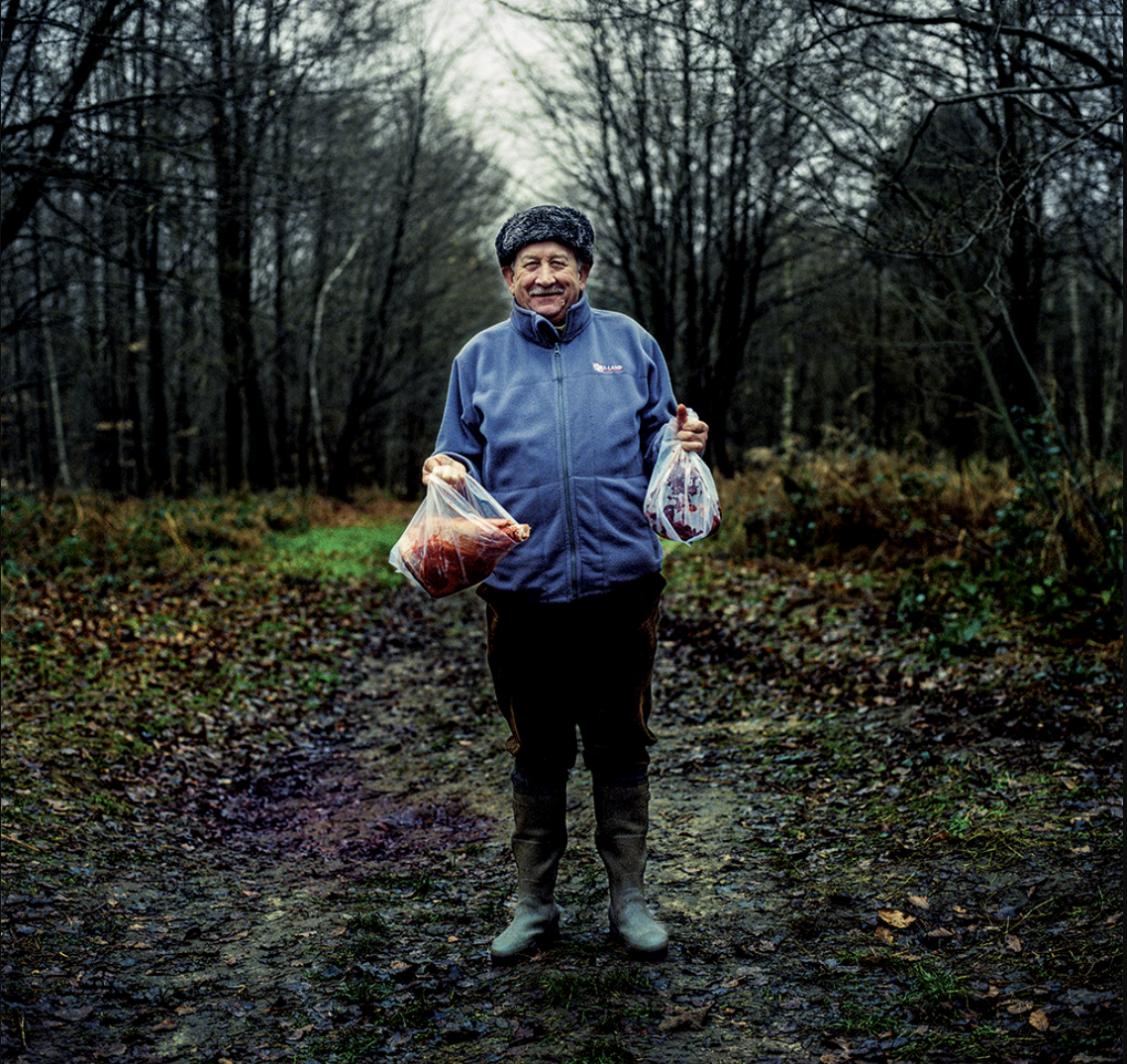
To find out for myself what it was all about, I decided to immerse myself for three and a half years in about sixty hunting crews across France, from Brittany to the Pyrenees, passing through Touraine, the Landes, Sologne and the Jura...
A few exchanges with those around me made me understand that after having worked on homeless women in Paris and on slavery in the Dominican Republic, taking an interest in these « barbaric and misogynistic aristos » (sic) would constitute a new challenge against social prejudices and conformism. A further question came to me: why is France, unlike all the countries I have visited, so reluctant to tell its traditions? At first, I had no opinion on the matter. I was of course opposed to animal suffering, but curiously, seeing dogs in a predatory situation did not shock me excessively.
ou notre relation à la nature sauvage et à la mort.